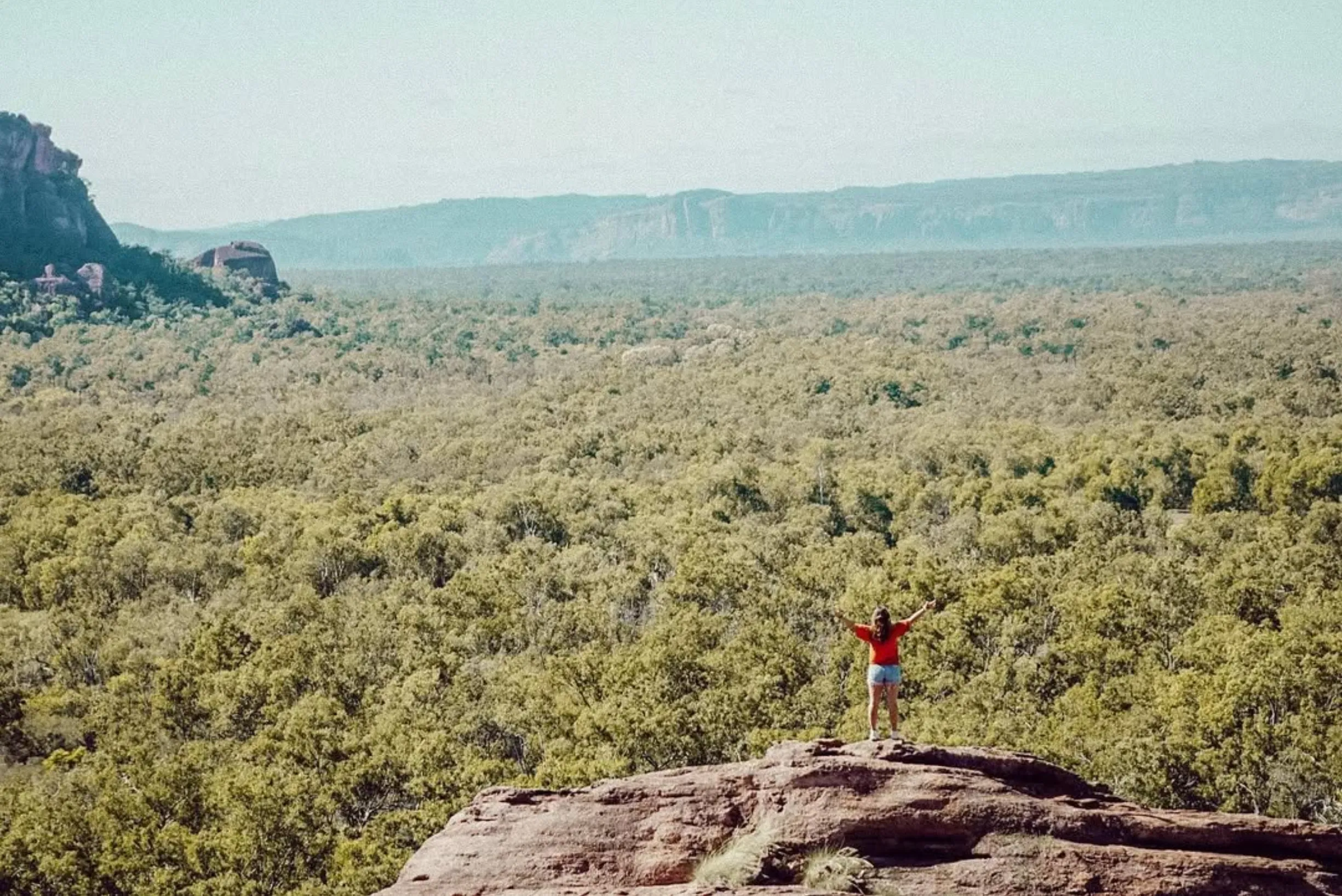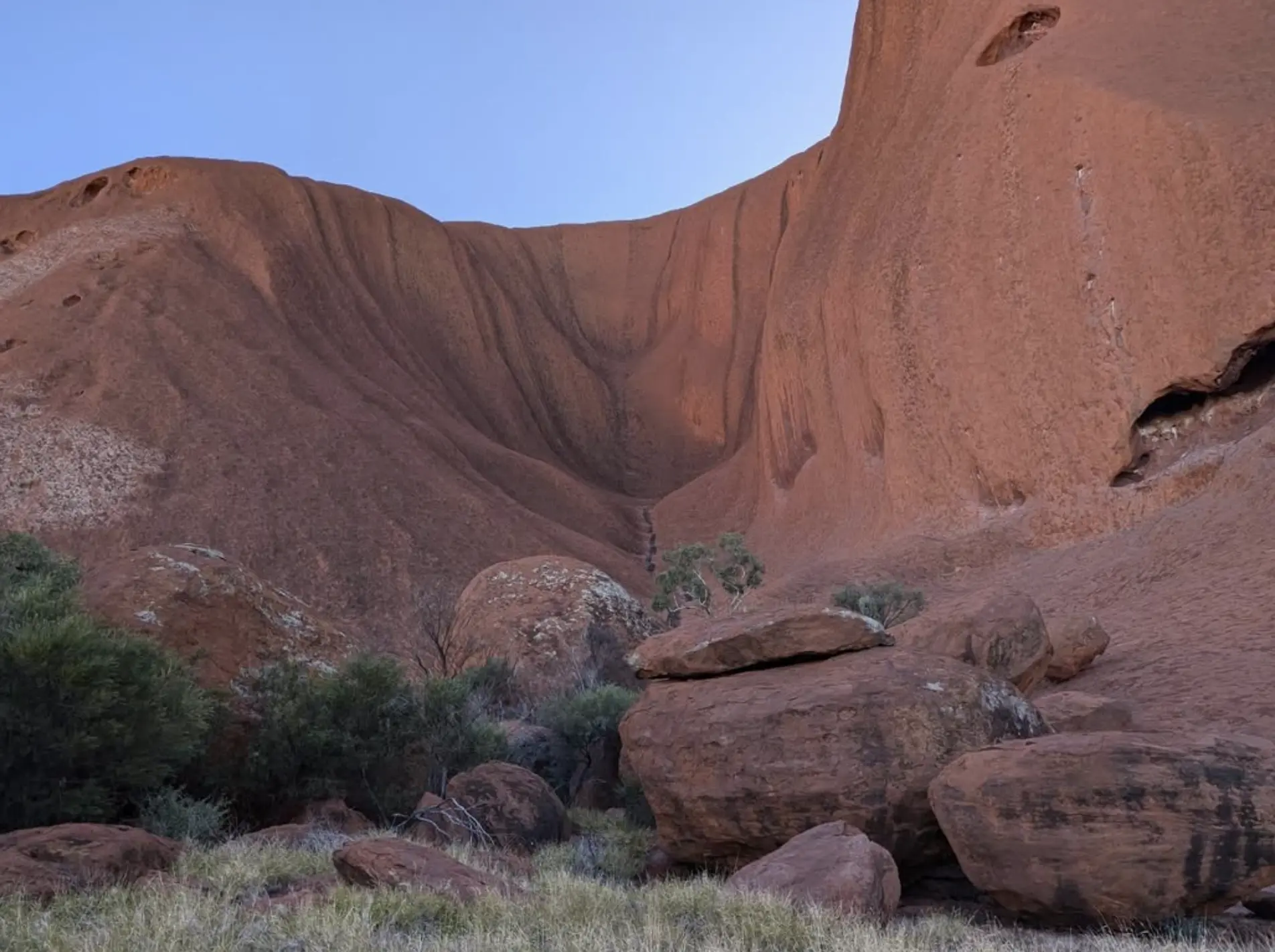
If you’re heading to the Red Centre, let’s get one thing straight: Uluru isn’t just a massive chunk of sandstone in the middle of nowhere. It’s one of Australia’s most iconic natural landmarks and a deeply sacred site for the Anangu people, the Traditional Owners and traditional custodians. It deserves far more than a pitstop photo and a dusty esky in the back of the ute.
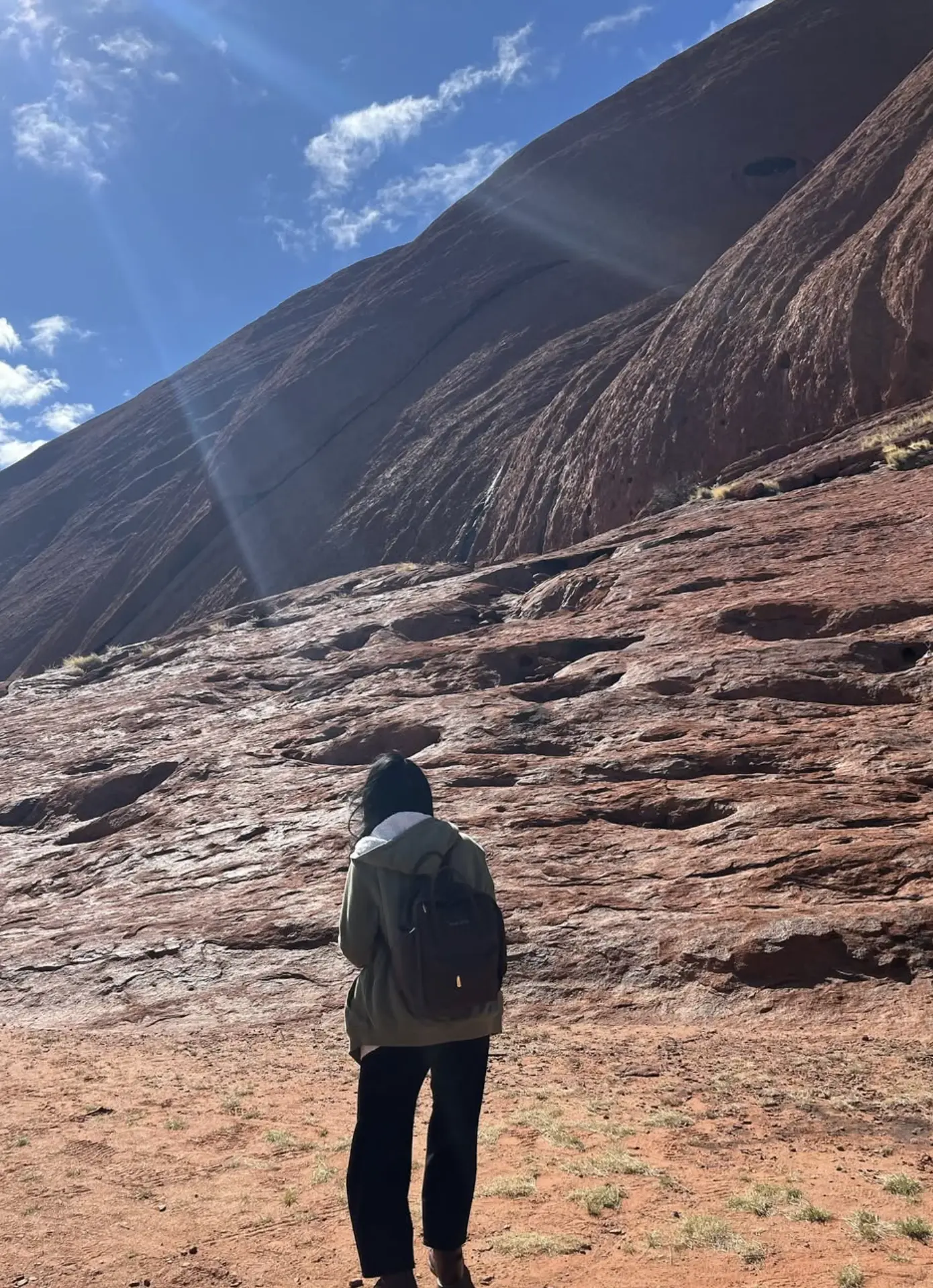
When I first stood at the base of Uluru, it wasn’t the sheer size that hit me — though it is jaw-droppingly massive. It was the silence. The stillness. The way the rock seemed to hum, like it was holding stories too old for words. I’d driven in from Alice after a night swatting mozzies in a swag, but that moment stopped me in my tracks.
Travelling respectfully here isn’t about ticking off rules to avoid fines. It’s about showing respect for Aboriginal culture, sacred sites, and living culture. So, let’s walk through what you shouldn’t do at Uluru — not to spoil the fun, but to keep the place (and your conscience) in good nick.
Contents
- 1 No, You Can’t Climb Uluru
- 2 No Drones, No Drama
- 3 Don’t Take Photos in Restricted Areas
- 4 Don’t Wander Off-Track
- 5 No Camping at the Base
- 6 Don’t Ignore Cultural Centre Stops
- 7 No Taking Rocks, Sand, or “Souvenirs”
- 8 Don’t Treat Uluru Like a Theme Park
- 9 Practical Tips for Respectful Uluru Travel
- 10 Final Thoughts
- 11 FAQ
No, You Can’t Climb Uluru
The Climb Is Closed — Permanently
As of October 2019, climbing Uluru is officially banned. The old climbing path and climbing route are gone, the signs are clear, and the Anangu people are finally breathing a little easier. For decades, they asked visitors not to climb. Not because it was dangerous (though it is), but because it disrespects a sacred site that features strongly in Tjukurpa — their cultural law and ancestral story.
I still meet folks who say, “But it’s my right as a tourist.” Mate, it’s not a pub toilet. Rights don’t trump responsibilities here. Walk around it. Sit with it. Listen. You’ll get more out of that than any panoramic views from the top.
If you’re craving a different kind of view, consider hopping on an adventure with Wayoutback Tours — they also hit nearby gems like Kings Canyon and the West MacDonnell Ranges. You can find plenty of Uluru tours that include those stops too.
No Drones, No Drama
Leave the Flying Toys at Home
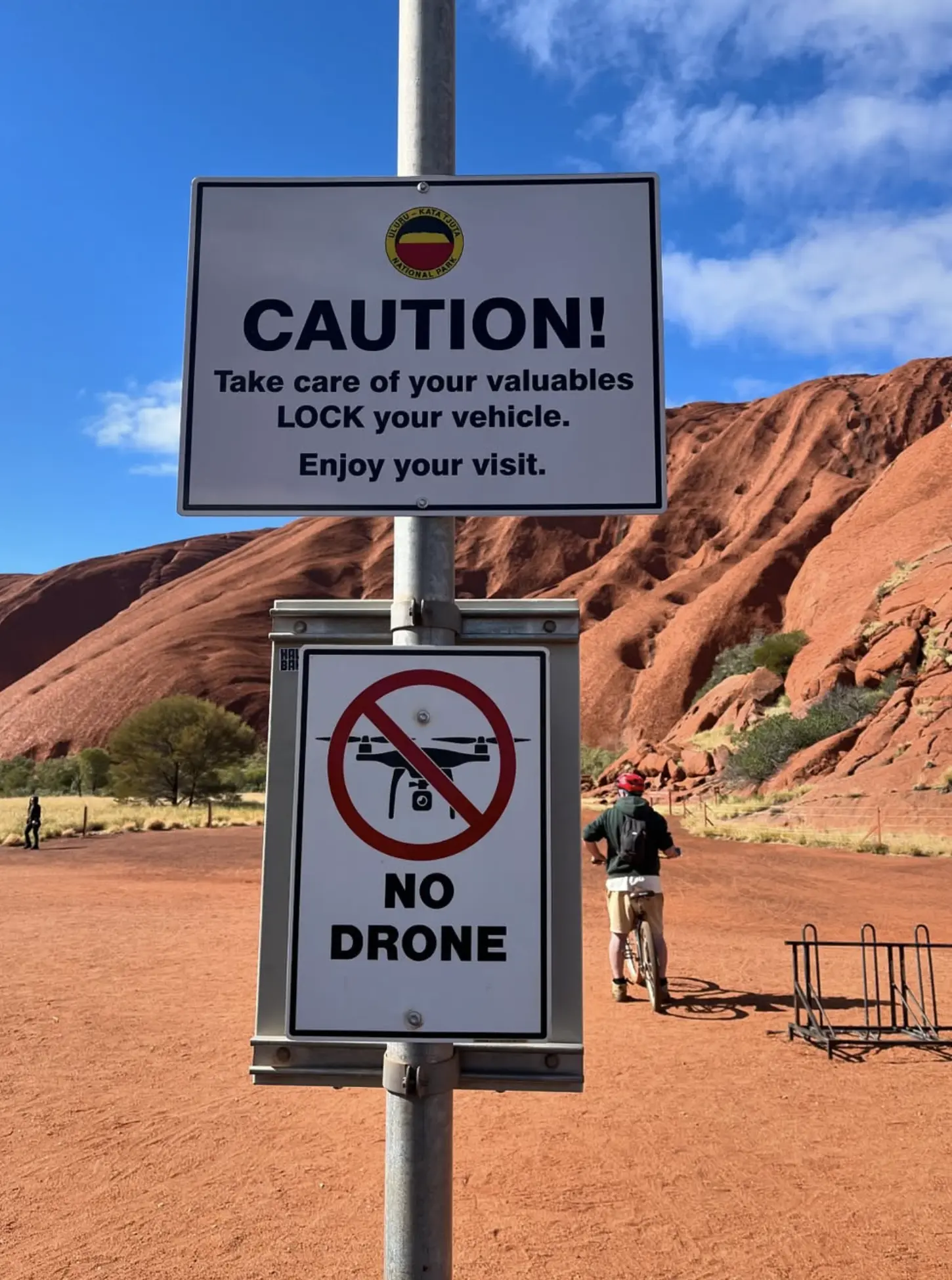
Thinking of getting a sweeping drone shot of Uluru at sunrise to capture those beautiful lights and spectacular views? Don’t. Drones are strictly prohibited at Uluru-Kata Tjuta National Park unless you’ve got written permission from Parks Australia and the Anangu Traditional Owners. And that’s rarely given.
Why? Because drones disturb wildlife, disrespect cultural practices, and interrupt the peaceful experience of other travellers. Not to mention they can be downright noisy.
If you’re keen for a bird’s-eye perspective, go for a scenic flight — Wayoutback Tours can organise one as part of their adventurous tours. They’re one of many operators offering a tour to Uluru that balances views with respect.
Don’t Take Photos in Restricted Areas
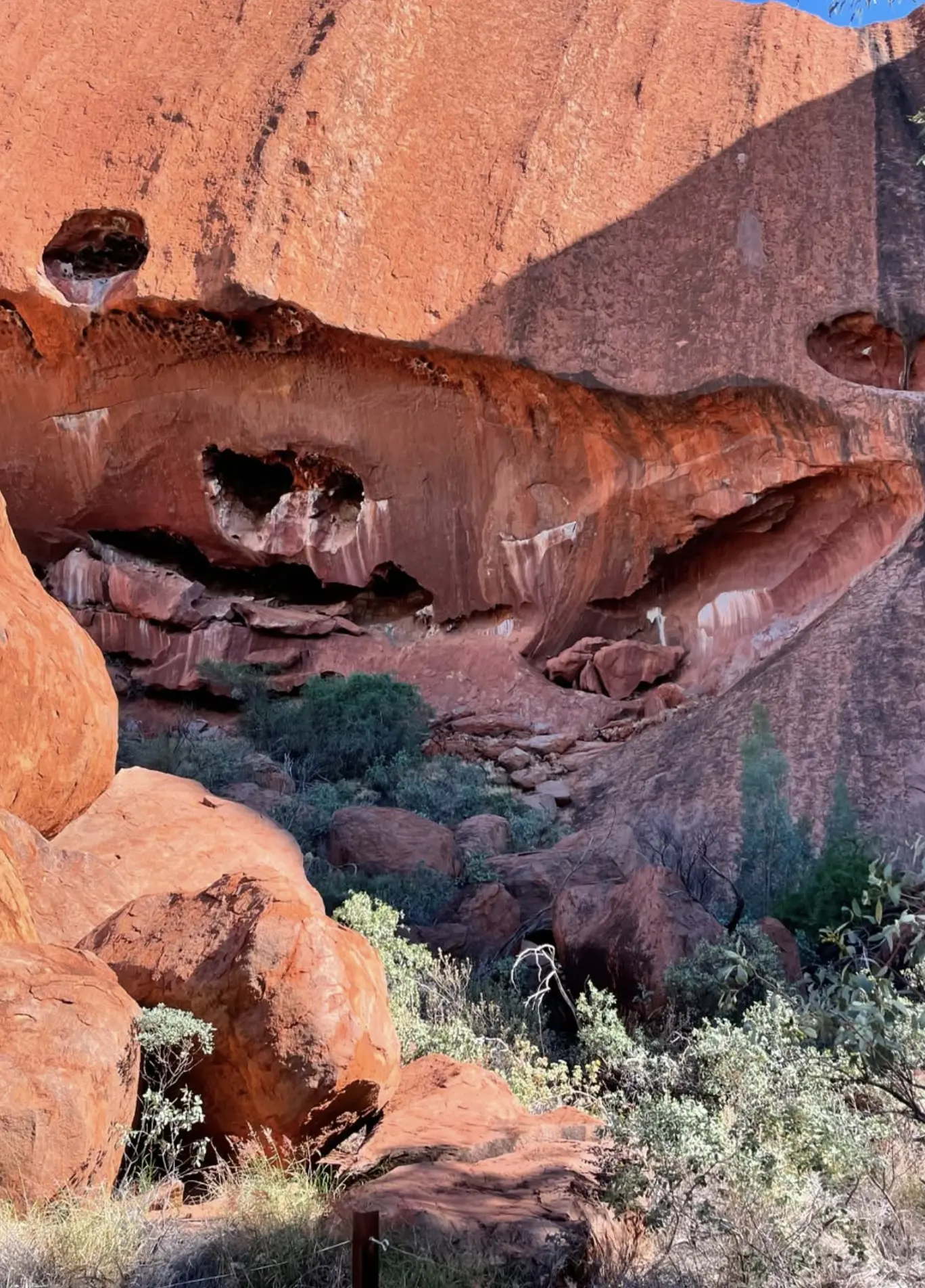
You’ll see signs around the entire base walk asking you not to photograph specific sections of the rock. These aren’t random. Many areas of Uluru are connected to sacred creation stories that are not to be seen or shared publicly, especially in photos.
Ignoring these requests isn’t just disrespectful — it can be deeply offensive to Anangu law and lore. Plus, you could face fines.
Stick to the designated sunset viewing spots and enjoy the incredible sight legally and respectfully. Most Uluru tours will pause at these key vantage points to take it all in.
Don’t Wander Off-Track
Stay on the Designated Paths
I know the urge to go bush can be strong, especially if you’re a curious type like me. But at Uluru, it’s vital to stick to the marked walking trails and ancient walking tracks. Not just for your safety — though the rock cracks and spinifex don’t muck about — but because going off-track can damage fragile sand dunes and disturb sacred areas.
Even footprints can have lasting impact out here. So if the sign says stay on the path, do it. There’s no secret shortcut worth the disrespect.
No Camping at the Base
Camp Legally, Sleep Peacefully
You can’t just roll out the swag anywhere near Uluru. Camping at the base is not allowed — again, it’s a matter of cultural respect and environmental protection. If you’re keen on a starry night, stay at the designated campground in Yulara, about 20 minutes away.
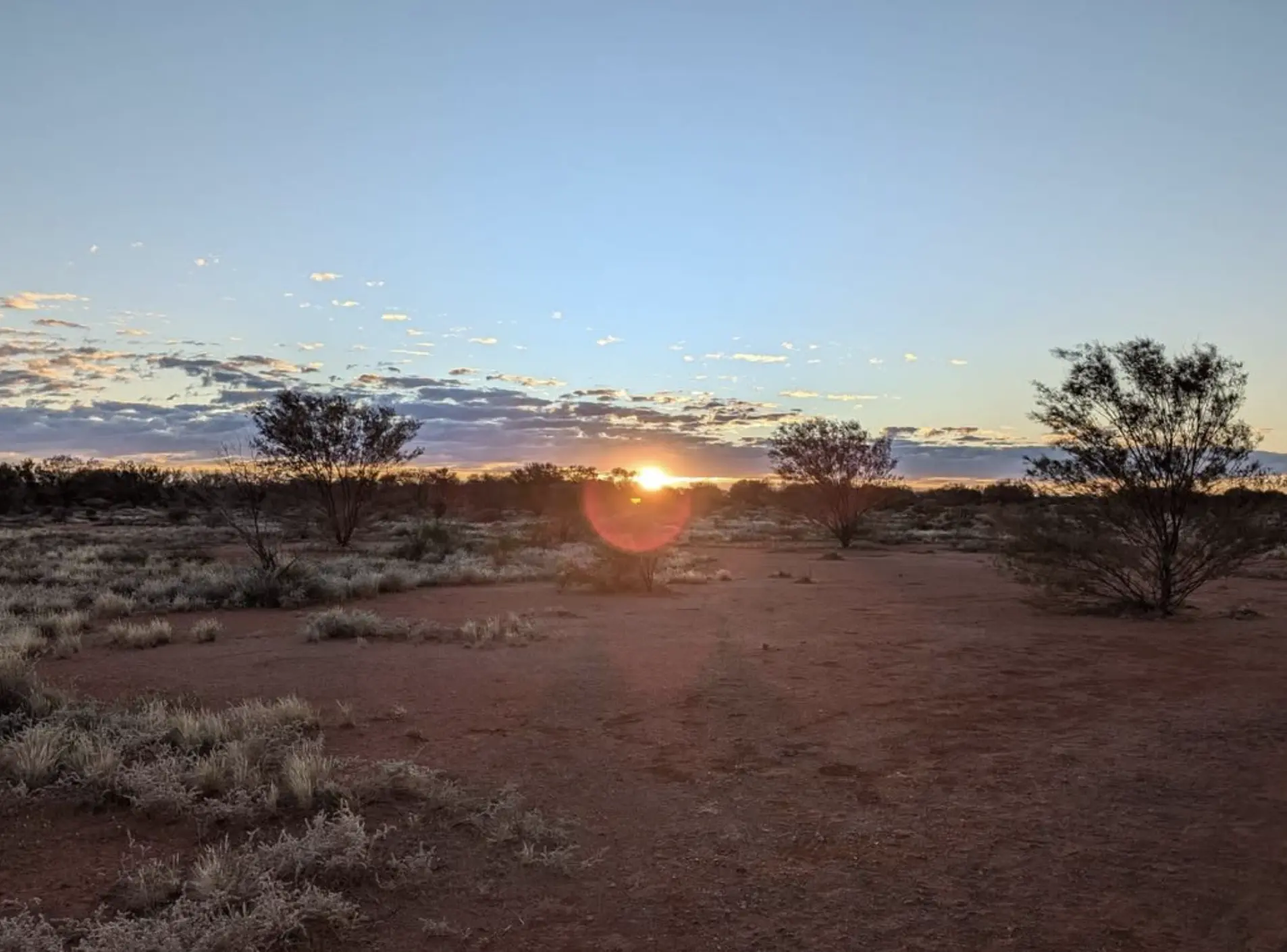
I’ve boiled the billy there many times and it’s a cracker of a spot. Hot showers, proper facilities, and you’re still close enough to catch the beautiful sight of sunrise at the rock.
Yulara also makes a good base for exploring Kata Tjuta (The Olgas) or even doing day trips to Watarrka National Park. If you’re not keen to drive yourself, Wayoutback Tours runs multi-day loops that cover the whole lot. They’re one of many operators offering Alice Springs to Uluru tours with a knowledgeable guide and plenty of stops along the way.
Don’t Ignore Cultural Centre Stops
Get the Backstory Before You Walk
Before you set foot on the trail, take an hour at the Uluru-Kata Tjuta Cultural Centre. It’s not just an air-con break (though in summer, that’s a bonus). It’s where you’ll learn about Tjukurpa, Anangu customs, rock art, and the meaning behind what you’re seeing.
The centre has info, art, and rangers — an army of rangers, really — who know their stuff. When I lead adventure tours, we never skip it. Visitors who spend time here always walk away with deeper respect — and often fewer questions. That’s a win-win.
Whether you’re on one of the guided tours from Alice Springs to Uluru or exploring independently, stopping here is a must.
No Taking Rocks, Sand, or “Souvenirs”
What Comes from the Desert, Stays in the Desert
Taking bits of Uluru home is a big no-no. Whether it’s a handful of red sand, ancient rock formations, or cool rocks, it’s illegal, disrespectful, and bad karma to boot. There are stacks of stories about travellers who posted rocks back, saying they were cursed with bad luck.
Want a keepsake? Buy art or craft made by local Anangu artists. It supports the community and carries the spirit of the place, legally and respectfully.
Don’t Treat Uluru Like a Theme Park
This Isn’t Disneyland
No loud music, no mucking about, no fashion shoots in body paint. It might seem obvious, but every year someone turns up with a drone, a disco speaker, or worse — a wedding party in hot pink matching suits. Save it for the Gold Coast.
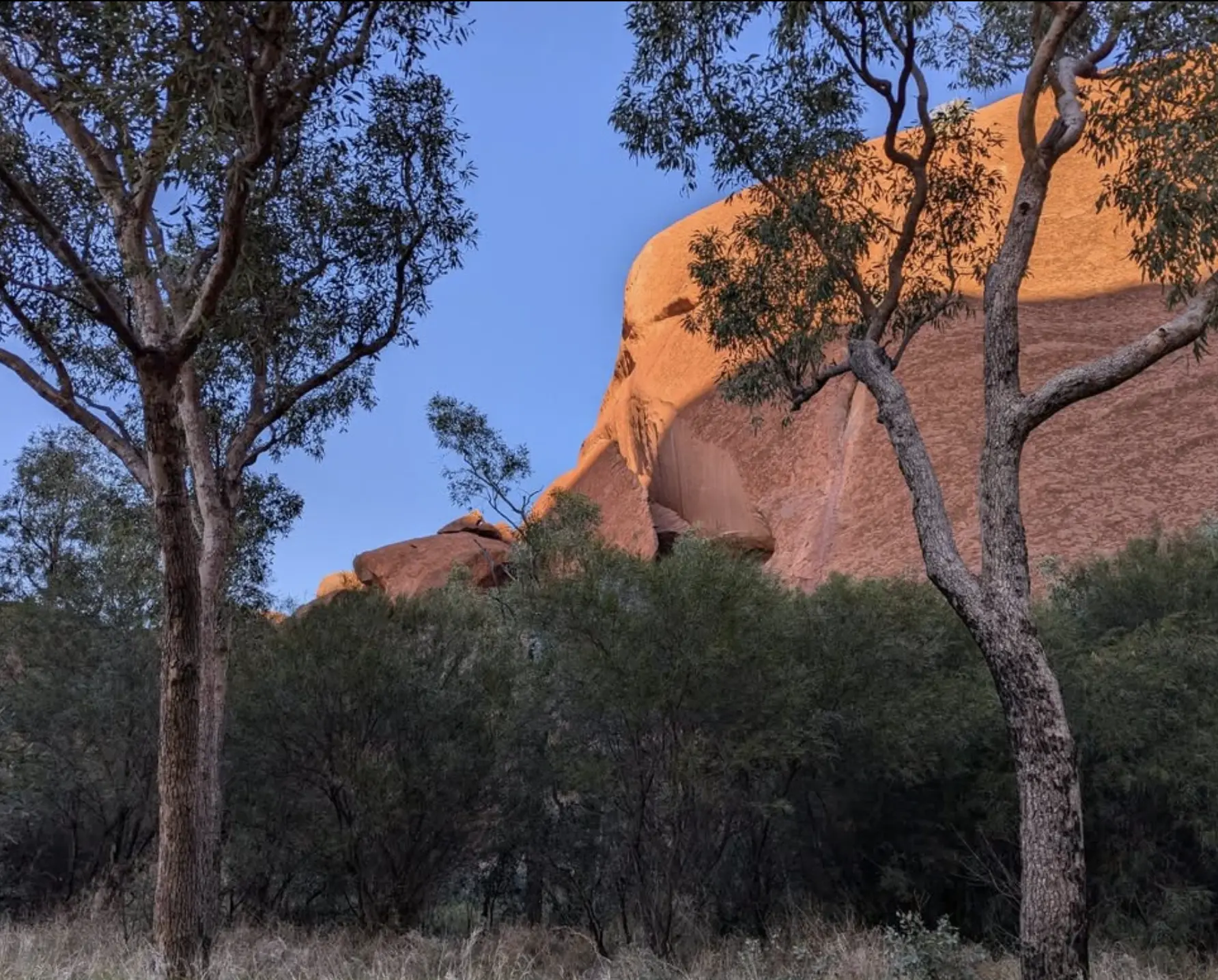
Uluru is a place of ceremony, not spectacle. Let the silence speak. Think church altar or holy shrine — that level of respect applies here.
Practical Tips for Respectful Uluru Travel
- Plan for the heat: The summer sun is brutal. Pack a fly net, 3 L of water per person, and a good hat.
- Start early: Walks close by 11 am in hot months. Get going at sunrise.
- Hire a guide: You’ll learn 10x more walking with a local. Some of us run adventurous tours and eco experiences that go slow and respect the stories.
- Buy a park pass: It’s required. Book online before you arrive.
- Respect signage: If it says no photo, no climbing, or sacred site — don’t argue.
- Support Anangu enterprises: From art to alternative experiences and scenic flight options, it helps keep culture strong.
- Try accessible options: Shorter walks and bicycle travel are available for all levels of ability.
- Join a reputable operator: Brands like Wayoutback Tours know the local etiquette and work closely with Traditional Owners. Whether you’re after full Uluru tour or shorter highlights, they’ve got you covered.
Final Thoughts
If you remember one thing, let it be this: Uluru doesn’t need you to conquer it. It asks you to respect it. The Anangu have shared this place with us all, and the least we can do is walk softly, follow the rules, and take home memories that don’t come at their expense.
Got a travel passion and a question about your Australian trip through the Red Centre? Drop it below — happy to share more tips from the road. If you’re ready to experience it the right way, check out the many Alice Springs to Uluru tours or day-style Uluru tours led by guides who know and love this land.
FAQ
Can I still walk around Uluru even though I can’t climb it?
Yes! The 10.6km base walk is open and encouraged. It’s the best way to see this Australian landmark and famous monolith up close and respectfully.
Are dogs allowed at Uluru?
No. Pets aren’t permitted in the national park to protect wildlife and cultural sites. Best to leave them at the kennel in Alice Springs or Yulara.
Can I fly a drone if no one is around?
Still no. Drone use is banned in the park without a permit, regardless of whether it’s crowded or not.
Is it okay to do a yoga session or a wedding shoot at the base?
It’s not recommended. Activities like yoga, dancing, or photo shoots can be disruptive and culturally inappropriate in such a sacred space.
Can I take a rock or sand as a souvenir?
Definitely not. It’s both illegal and disrespectful. Grab a photo or buy local art instead.