“Does fine line tattoo age well?” It’s a question I get asked often at the studio—usually after someone scrolls through Pinterest-perfect minimalist designs or those dainty single-needle florals on social media. And fair enough. If you’re going to put art on your body, you want it to stay beautiful. But not all ink ages equally—and fine line work is one of the more delicate styles out there.
Let’s go through what you need to know before committing to a fine line tattoo, especially if long-term clarity, upkeep and placement are on your mind.
Contents
The appeal (and risk) of minimalist ink
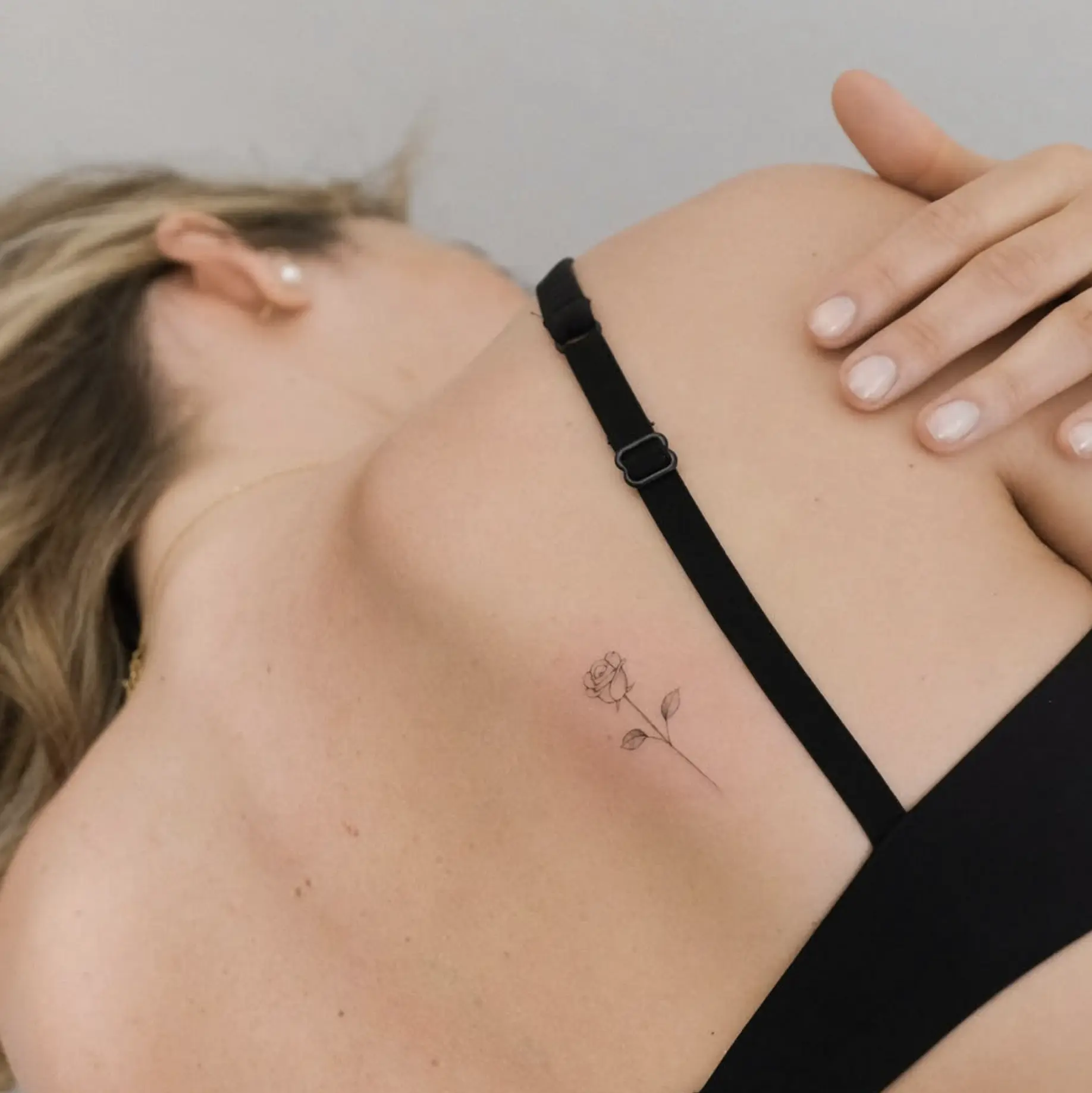
We get it — fine line tattoos are pretty. They’re subtle, detailed and cool. Whether it’s a constellation behind the ear, tiny tattoos on your fingers or Micro tattoos like a botanical wrist design, they suit all kinds of aesthetics. And unlike bold traditional tattoos, they don’t scream “tattoo” which is great for people dipping their toes into the ink world.
But here’s the thing: minimal ink = minimal margin for error. The same dainty line work that makes fine line tattoos beautiful can also be their downfall over time. These designs rely heavily on precision and negative space, which makes them more prone to softening, smudging or blurring as your skin ages, stretches or repairs itself during the healing process.
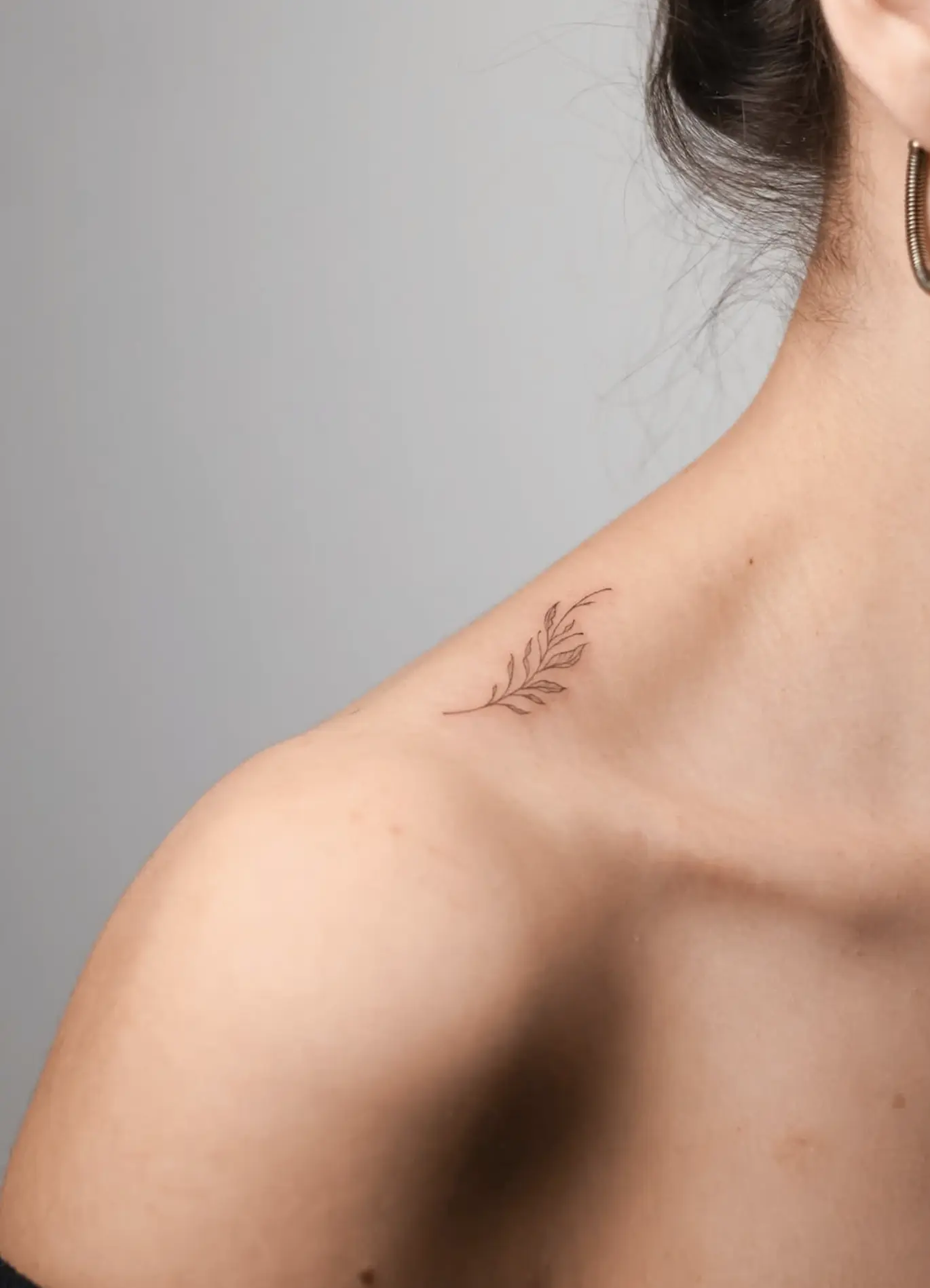
As a permanent makeup artist, I’ve seen firsthand how the skin’s natural movements impact long-term results, especially in delicate high-traffic areas.
What happens to tattoo ink?
Tattoo ink isn’t static. Over time, it settles deeper into your second layer of skin and can spread or fade due to:
- UV rays and sun exposure
- Skin texture changes (especially with age or weight fluctuation)
- Natural skin cell turnover and immune system activity
- Placement friction (e.g. finger tattoos, ankles)
This matters big time for fine line work because it’s all about precision. A half millimetre blur in a bold traditional tattoo? Barely noticeable. A half millimetre blur in a 1mm wide fine line? That’s the difference between crisp and cloudy.
Fine line tattoos also have less ink saturation, which can fade faster compared to filled-in tattoo styles. That’s why touch-ups are often part of the long-term plan for this aesthetic. If you’re new to ink and considering a fine line tattoo as your first piece, ask your cosmetic tattoo artist about placement and skin suitability before committing.
Placement makes all the difference
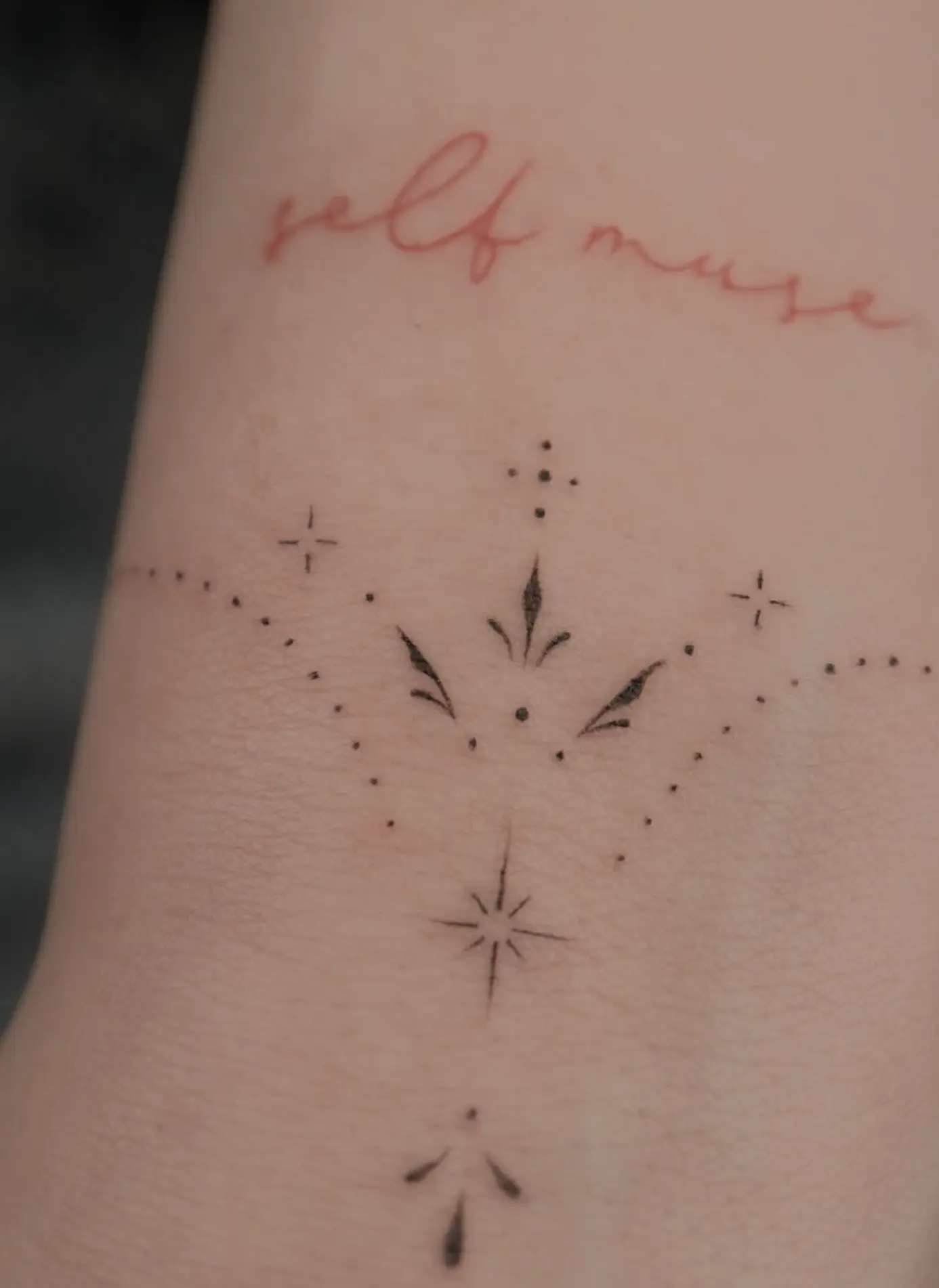
At our Face Figurati Cosmetic Tattoo Studio in Melbourne, we always discuss placement with our clients, and with fine line work, it’s non-negotiable. Areas that move a lot, are frequently washed or see regular sun tend to age tattoos faster. For example:
| Placement Area | Longevity Risk Level | Notes |
|---|---|---|
| Inner forearm | Low | Stable skin, a good option for fine line tattoos |
| Fingers/hands | High | High movement and sun exposure, frequent touch-ups needed |
| Ankles/feet | High | Constant friction from shoes, thinner skin |
| Shoulders/back | Medium | Good skin quality, but UV rays can impact colour over time |
| Ribs/torso | Medium-Low | Protected from the sun but may stretch with age/weight changes |
So if you’re looking for fine line work on your fingers, know what you’re getting yourself into. It can look amazing—but keeping it looking amazing takes work.
Skin type affects fading
Not all skin holds ink the same way. Factors like oil production, texture, elasticity and how your immune system works can affect how your fine line tattoo heals and settles. Here’s a general guide:
- Oily skin: More likely to cause ink migration or blurred lines
- Thin or mature skin: Prone to faster fading and line softening
- Tough or scarred skin: Can lead to patchy pigment retention
- Sensitive skin: Higher chance of redness, longer healing stages
At Face Figurati, we always assess skin type before starting any cosmetic or fine line tattoo work. As a specialist in Fine Line Tattoo application, we adjust our technique to suit your skin’s behaviour for better long-term results.
For those serious about getting into the industry a high-quality fine line tattoo course will cover how to adapt technique across skin types—something not every short course includes.
Technique and tools matter
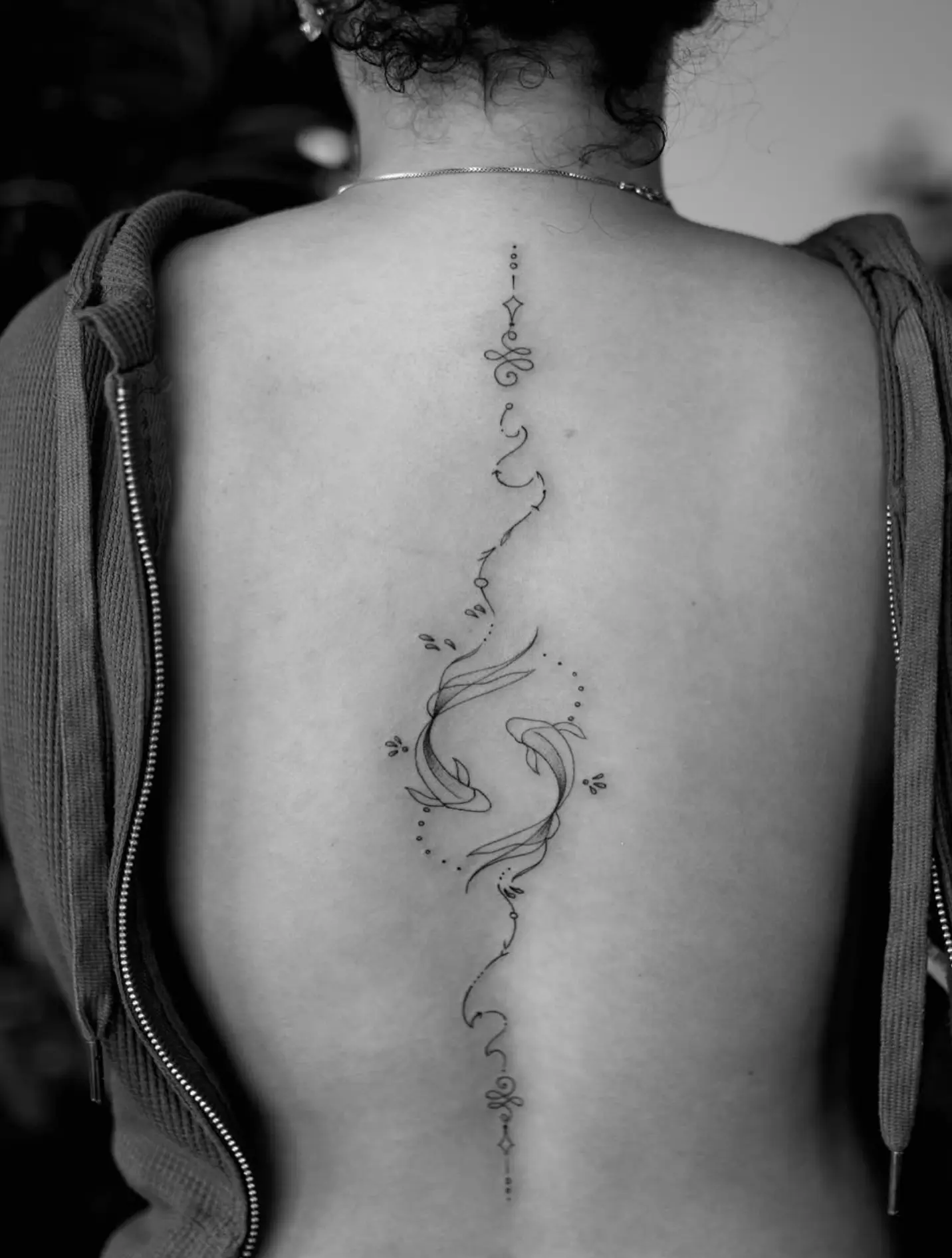
Fine line tattoos aren’t just small versions of regular tattoos. They use different tattoo machines, single needle groupings and require an incredibly light hand. The wrong depth, pressure or hand speed can all cause premature fading, uneven lines or blowouts.
If your tattoo artist doesn’t specialise in fine line tattoo styles, you’re more likely to see issues over time. Even with the best artist, skin is still a living canvas—and what you see fresh on social media may look very different after 6 months.
Ask your artist to show you healed examples, ideally 6–12 months post-treatment. At Face Figurati, we always take healed photos to track how our work holds up over time.
Touch-ups are normal, not a fail
Unlike bolder work or traditional tattoos, fine line designs often need touch-ups every few years. This isn’t because something went wrong—it’s just part of the minimalist aesthetic game.
If your fine line work fades unevenly, goes patchy or loses clarity after a year or two, that’s not unusual. What matters is having a clear, affordable plan for maintenance.
- Be transparent about longevity
- Offer realistic maintenance pricing
- Help you plan based on your skin and placement
At Face Figurati, we usually recommend a review at the 12–18 month mark.
Aftercare is your tattoo’s best friend
Want to keep your fine line work looking fresh? Healing is key. The healing process looks like:
- Days 1–3: Swelling, redness, weeping
- Days 4–7: Itching and flaking start
- Week 2–4: Flaky skin resolves, lines may look faded
- Week 4+: Skin settles, final result appears
Fine line tattoos don’t scab as much, but you still need to follow aftercar,e especially if the design uses single needles or is in high movement areas like finger tattoos.
Healing tips:
- No sun or UV rays for 2 weeks (seriously)
- Keep it clean, but don’t over-wash
- Apply a light balm as directed
- Avoid picking, scratching, or soaking
- Prioritise ongoing sun protection
What 2025 trends say
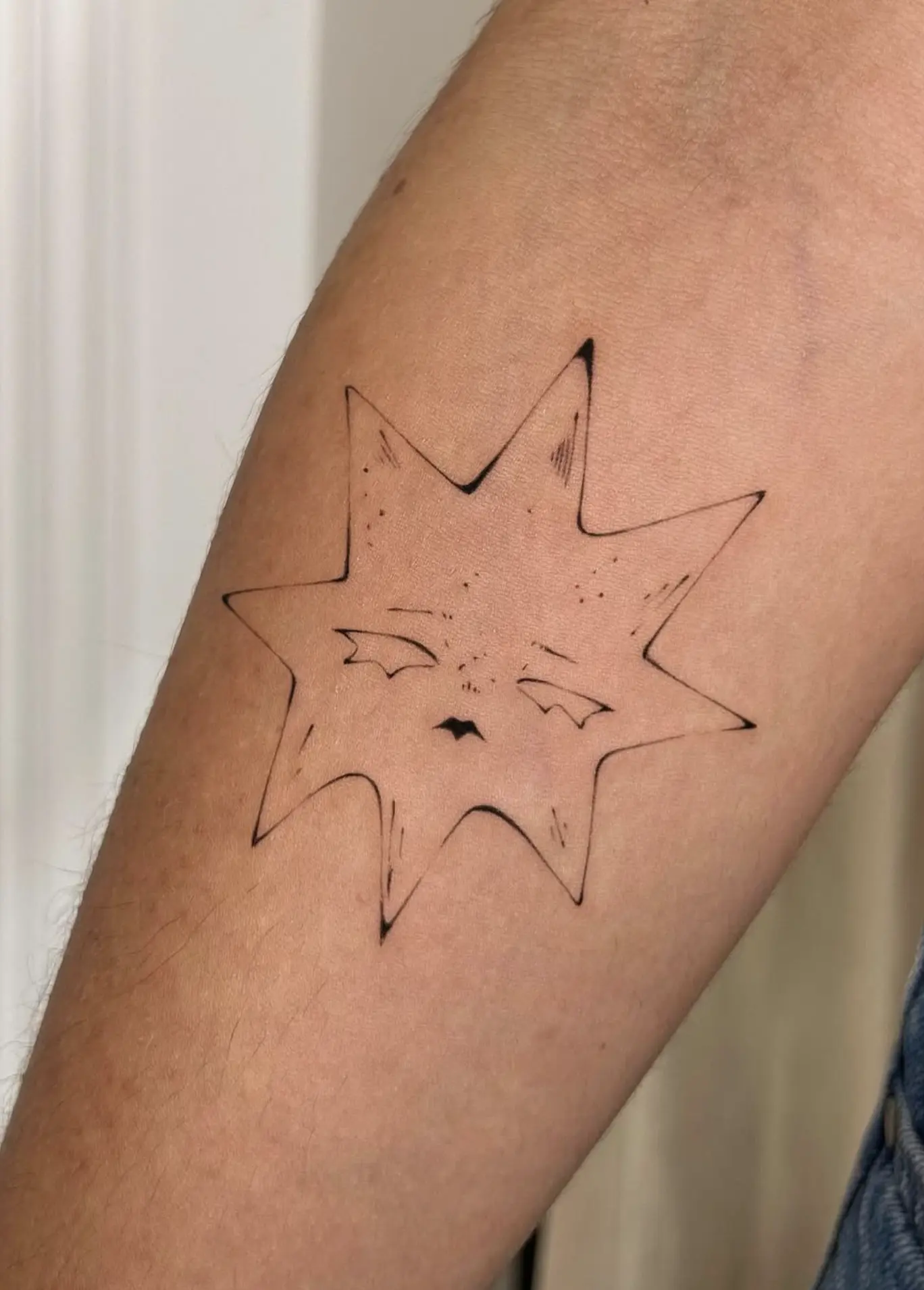
According to the 2025 Australian Tattoo Insights Report, fine line work, Micro tattoos and single needle styles are still trending on social media. But clients are wiser about healing and aging than ever.
- 67% of minimalist tattoo clients notice fading within 2 years
- 78% return for touch-ups in 12–18 months
- 49% of artists advise placement changes for longevity
- 88% say healed work is more important than the initial photo
The tattoo industry is changing. What matters now isn’t just fresh Instagram pics—it’s how your design looks in real life, long term. As a cosmetic tattoo artist, I’ve found these conversations around aging ink have become a regular part of client consultations.
How to prep like a pro
- Choose a tattoo artist who specialises in fine line work and single needle tattoo styles
- Look at healed photos—not just staged ones on social media
- Pick placements with low friction and sun exposure
- Avoid alcohol and blood thinners beforehand
- Be honest about your skin type and lifestyle
FAQ
How often do fine line tattoos need touch-ups?
Most clients need a refresh every 12 to 24 months, especially for high-friction areas like fingers or shoulders.
Can fine line tattoos work on all skin types?
Yes, but the approach changes. Thicker or more elastic skin holds ink better, and we adjust technique for each client.
Is fine line tattooing more painful than other styles?
Not really—but single needles feel different. The sensation is more of a scratch than a deep buzz. Area plays a role too.
Will fine line tattoos always blur?
Some softening is natural, but with proper spacing, good skin care and sun protection, they hold up surprisingly well.
What makes a good fine line tattoo artist?
Experience with single needles, knowledge of healing, understanding of minimalist designs and a track record of solid healed work.