Katherine, in the Northern Territory of Australia, is a culturally rich and historically significant area. As the gateway to some of the Top End’s most iconic natural wonders, including Nitmiluk (Katherine Gorge), it’s also home to a thriving Aboriginal community. Understanding the demographics of Aboriginal people in Katherine gives insight into the cultural fabric of this unique town and the surrounding Aboriginal communities.
Contents
- 1 Aboriginal Population
- 2 Cultural Significance and Regional Connections
- 3 Aboriginal Community Services and Infrastructure
- 4 Demographics and Living Conditions
- 5 Why This Matters to Visitors
- 6 FAQ
- 6.1 What percentage of Katherine’s population is Aboriginal?
- 6.2 Who are the traditional owners of the land in Katherine?
- 6.3 How can tourists learn about Aboriginal culture in Katherine?
- 6.4 Are there Aboriginal-run services or businesses in Katherine?
- 6.5 Why should I support Indigenous tourism in Katherine?
Aboriginal Population
According to the latest Australian Bureau of Statistics (ABS) data, 50% of Katherine’s population identifies as Aboriginal or Torres Strait Islander. With a total population of 10,500 people, that’s around 5,200 residents who are of Indigenous descent. That’s one of the highest proportions of Aboriginal residents in any town in Australia.
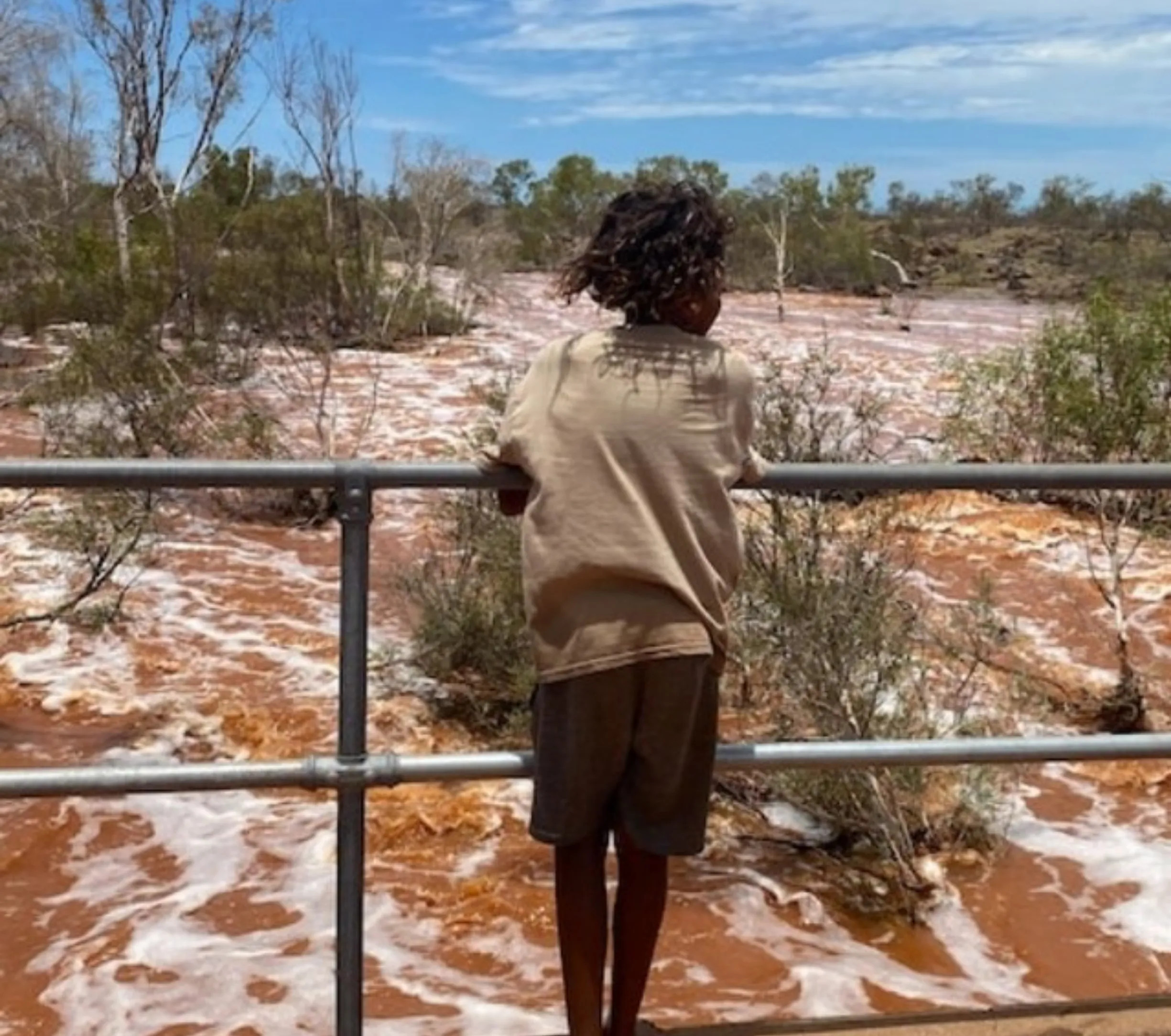
The town is within the traditional lands of the Jawoyn, Wardaman and Dagoman peoples. Their culture is still strong in local art, community events, language preservation and land management. Aboriginal people in Katherine are involved in preserving and sharing their heritage through tourism, education and community programs. Many of these remote communities are accessible by road during the dry season but can become isolated during the wet season, especially in the southwest and more distant pastoral properties.
As the number of people identifying as Aboriginal continues to grow in the region, there has also been an increase in people moving to Katherine for better services and economic opportunities. These movements are changing the status of people in both urban and rural areas.
Cultural Significance and Regional Connections
Katherine is not just a demographic hub – it’s a cultural hub. Aboriginal art galleries, community festivals and guided cultural tours led by traditional owners give visitors the opportunity to experience Indigenous culture firsthand. Many tour operators, including those offering Nitmiluk Gorge cruises, employ Aboriginal guides who share their stories and deep knowledge of the ancestral lands.
Nearby attractions include Leliyn (Edith Falls), Cutta Cutta Caves Nature Park and Bitter Springs in Mataranka – all offering stunning landscapes and opportunities to connect with local traditions. Katherine is accessible by passenger train and Autopia Tours offers curated travel experiences throughout the Top End.
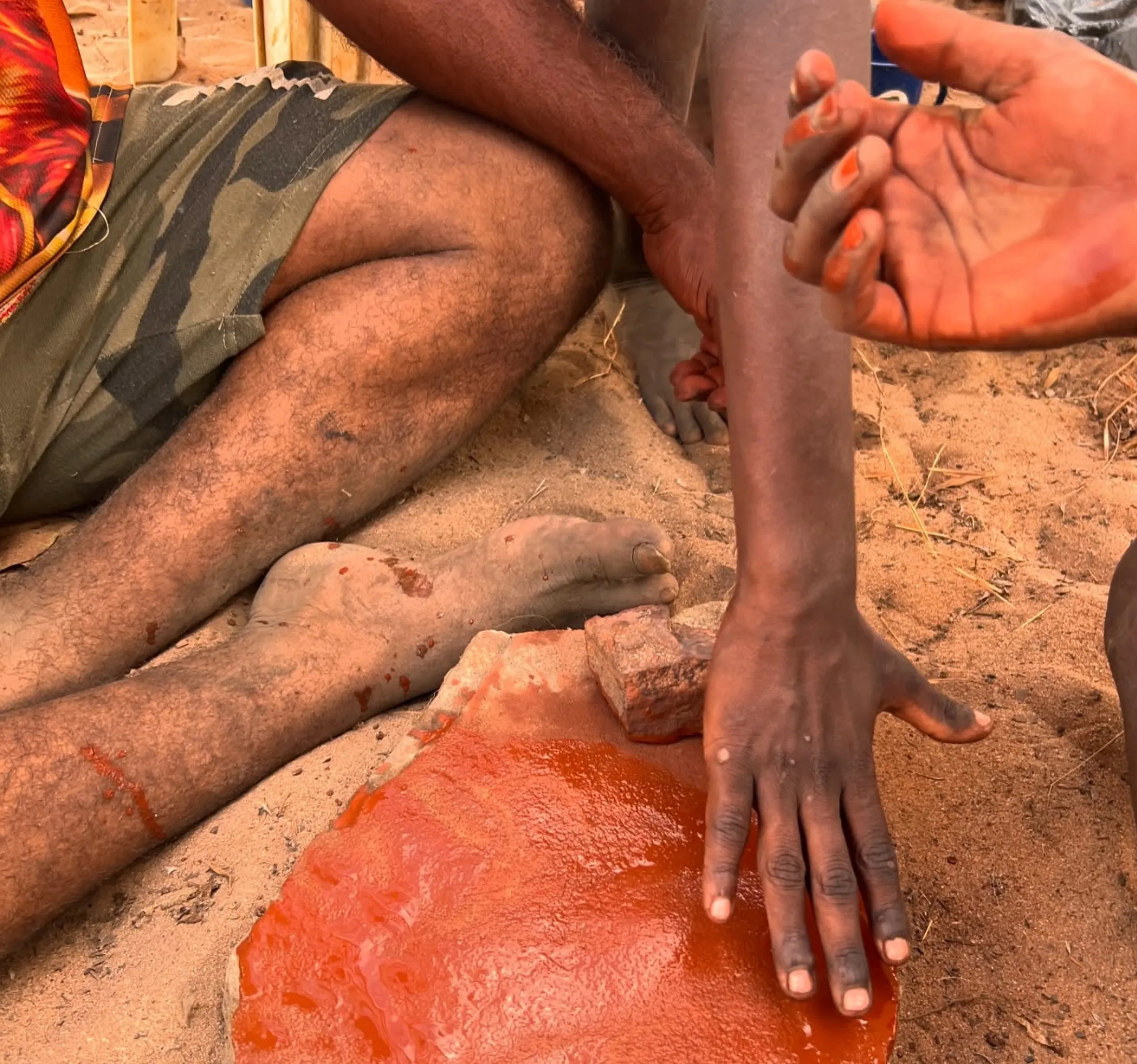
A popular way to experience the area is to take a Katherine Gorge tour which often includes cultural insights and scenery. If you’re coming from Darwin you can do an organised katherine gorge tour from darwin or a full day Katherine Gorge tour from Darwin for convenience and expert commentary. If you’re coming from the eastern island regions or along the west coast of the Northern Territory, Katherine is often included in your itinerary. These trips give you a deep understanding of Aboriginal heritage in the traditional lands of the Top End. One of the most popular options is a guided Nitmiluk tour which takes you into the heart of the gorge and its cultural significance.
Aboriginal Community Services and Infrastructure
The town has:
- Wurli-Wurlinjang Health Service
- Jawoyn Association
- Kalano Community Association
These organisations provide services such as medical services, legal aid, job training and social support. Government and non-profit sectors provide affordable housing and public housing. Waste management and public safety initiatives are ongoing to meet the growing population.
Access to services is crucial especially for those in remote communities. Road conditions change seasonally and access by road is restricted during the wet season. Infrastructure upgrades aim to improve year-round access and better outcomes in education and health.
Demographics and Living Conditions
Aboriginal communities have a younger population than the national average. This younger demographic has increased demand for public schools, childcare and recreational programs. The increase in people moving to Katherine has put pressure on local infrastructure but has also driven investment and development.
Efforts to support people in Aboriginal communities include expanded transport links, better healthcare and housing upgrades. These are key to closing the gap and ensuring equal opportunities for all.
Katherine is also a logistics and service hub for surrounding pastoral properties, supplying goods and professional services to remote and agricultural areas. The town’s role in the broader regional economy can’t be overstated.
Why This Matters to Visitors
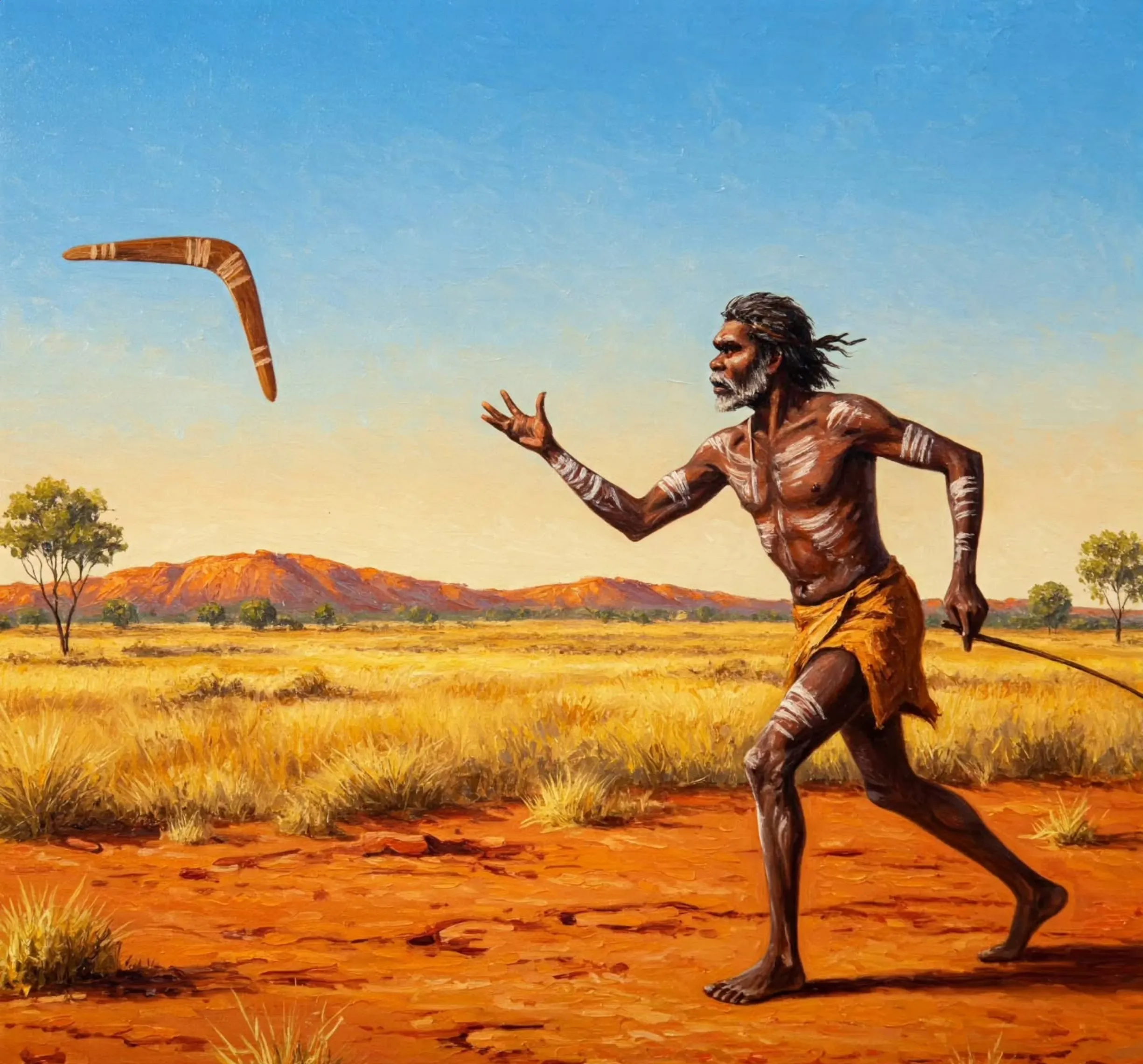
Understanding the Indigenous population of Katherine adds to any travel experience. Visitors who take the time to engage with Aboriginal culture get a deeper, more respectful appreciation of the land and its stories. By supporting Indigenous led tours and buying local art, visitors are directly supporting the communities and sustainable tourism.
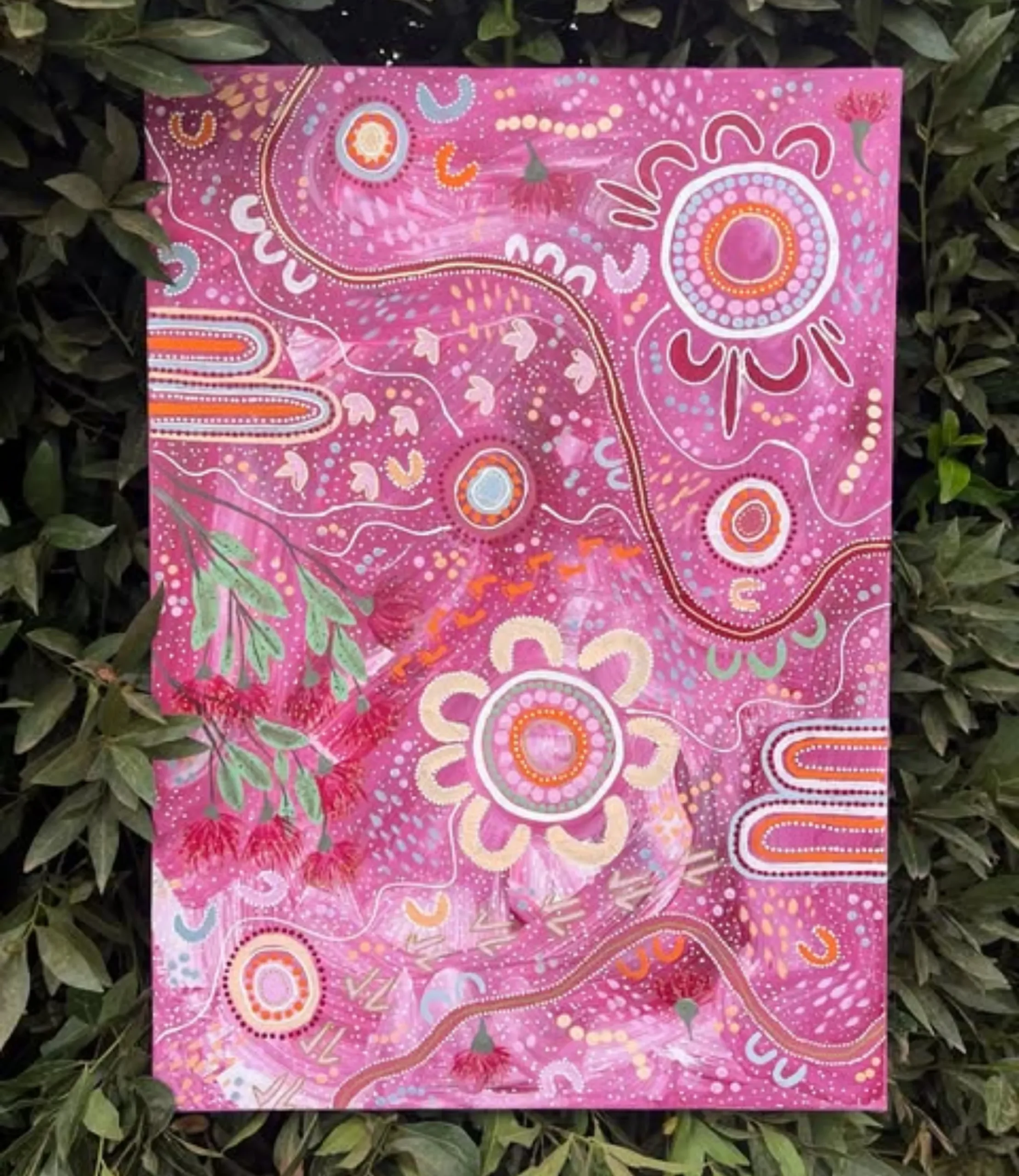
Engaging with these communities protects cultural heritage and economic development in urban and remote communities. It also helps visitors understand the social and environmental dynamics of the Northern Territory.
FAQ
What percentage of Katherine’s population is Aboriginal?
About 50% of Katherine’s population is Aboriginal or Torres Strait Islander, one of the highest in Australia.
Who are the traditional owners of the land in Katherine?
The Jawoyn, Wardaman and Dagoman people are the traditional custodians of the land around Katherine.
How can tourists learn about Aboriginal culture in Katherine?
Visitors can join guided cultural tours, visit local Aboriginal art galleries, attend festivals and visit remote communities during the dry season. Attractions like Leliyn, Bitter Springs and the Cutta Cutta Caves are culturally and geographically rich. Joining one of the many Katherine Gorge tours will add to the experience.
Are there Aboriginal-run services or businesses in Katherine?
Yes, organisations like Wurli-Wurlinjang Health Service and the Jawoyn Association are Aboriginal-run and provide medical services, affordable housing and cultural programs to the local community.
Why should I support Indigenous tourism in Katherine?
Supporting Indigenous tourism empowers local communities, preserves culture and provides a more authentic experience for travellers. It also funds infrastructure like public schools, waste management and healthcare in Aboriginal communities.