What’s the difference between a PMU artist and a tattoo artist? At Face Figurati here in Melbourne, I get asked this almost every week during consults for permanent make up. Many clients assume it’s all just tattooing — after all, both use needles and pigments. But once you know the differences, it’s easy to see why booking a trained permanent makeup specialist matters for brows, lips and eyes.
If you’ve ever dashed out the door with pencilled brows that rubbed off on your mask or lip liner that smudged by your morning latte, you’ll understand why cosmetic tattooing has become so popular. But it’s not the same as a trip to a traditional tattoo studio.
Contents
Training and Education: Different Paths to the Needle
When it comes to qualifications, the paths couldn’t be more different.
PMU artists often complete accredited cosmetic tattoo courses or specialised eyebrow tattoo courses. These programs go deep into skin anatomy, tattooing techniques for delicate facial areas, healing process expectations and even niche services like scar camouflage or paramedical tattooing. Many of us also do advanced refreshers or a permanent makeup course to keep up with new tools like digital microblading.
Tattoo artists, in contrast, usually train through apprenticeships. They learn artistic skills, shading, colour blending and machine control with traditional tattoo inks. Their focus is art and permanence — not subtlety and skin regeneration.
In Melbourne, both must comply with council hygiene regulations, but only PMU artists are formally trained in the medical considerations of tattooing on the face.
Tools of the Trade: Subtlety vs Strength
The machines and needles used by PMU artists are a whole different ball game from traditional tattoo studios.
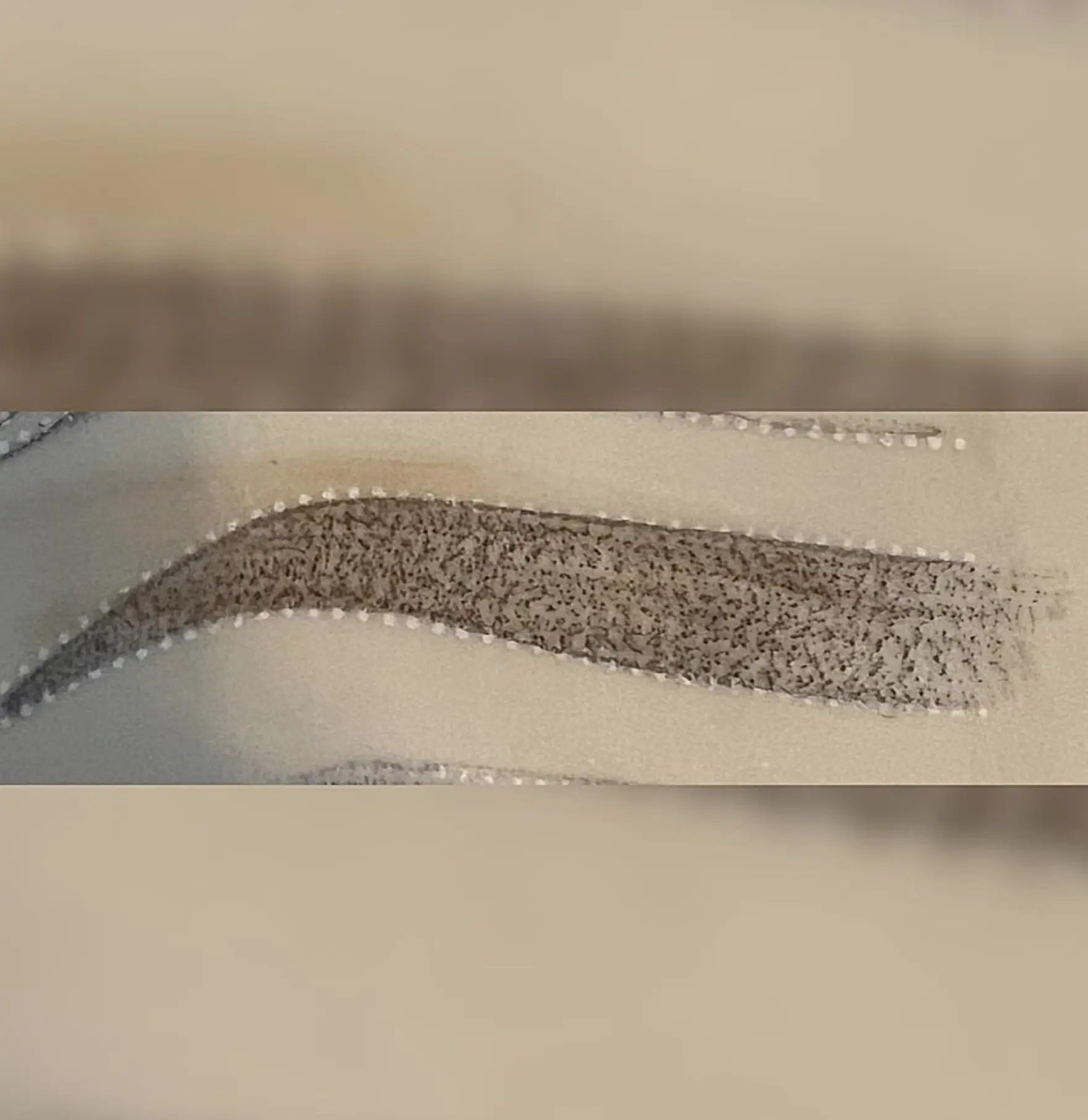
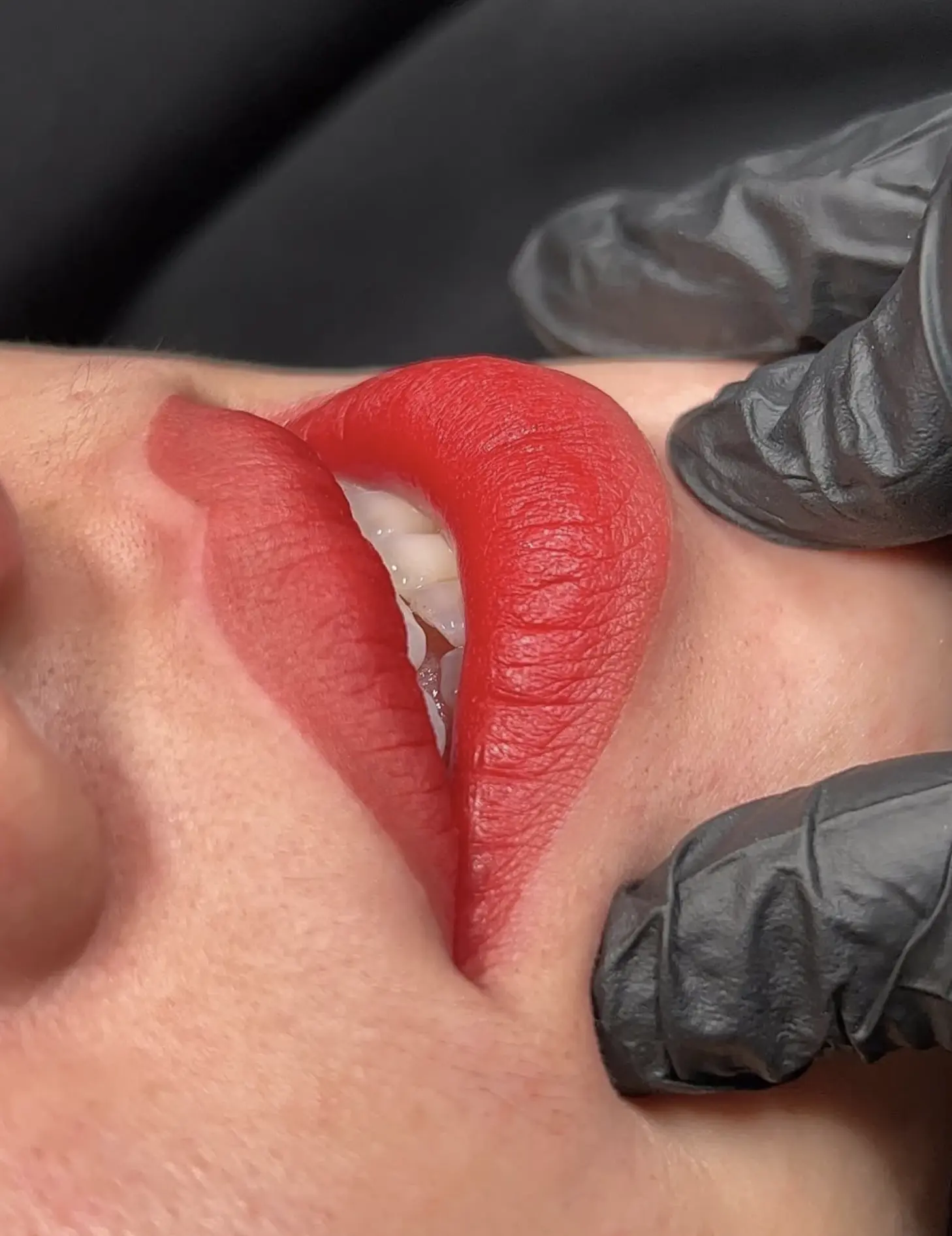
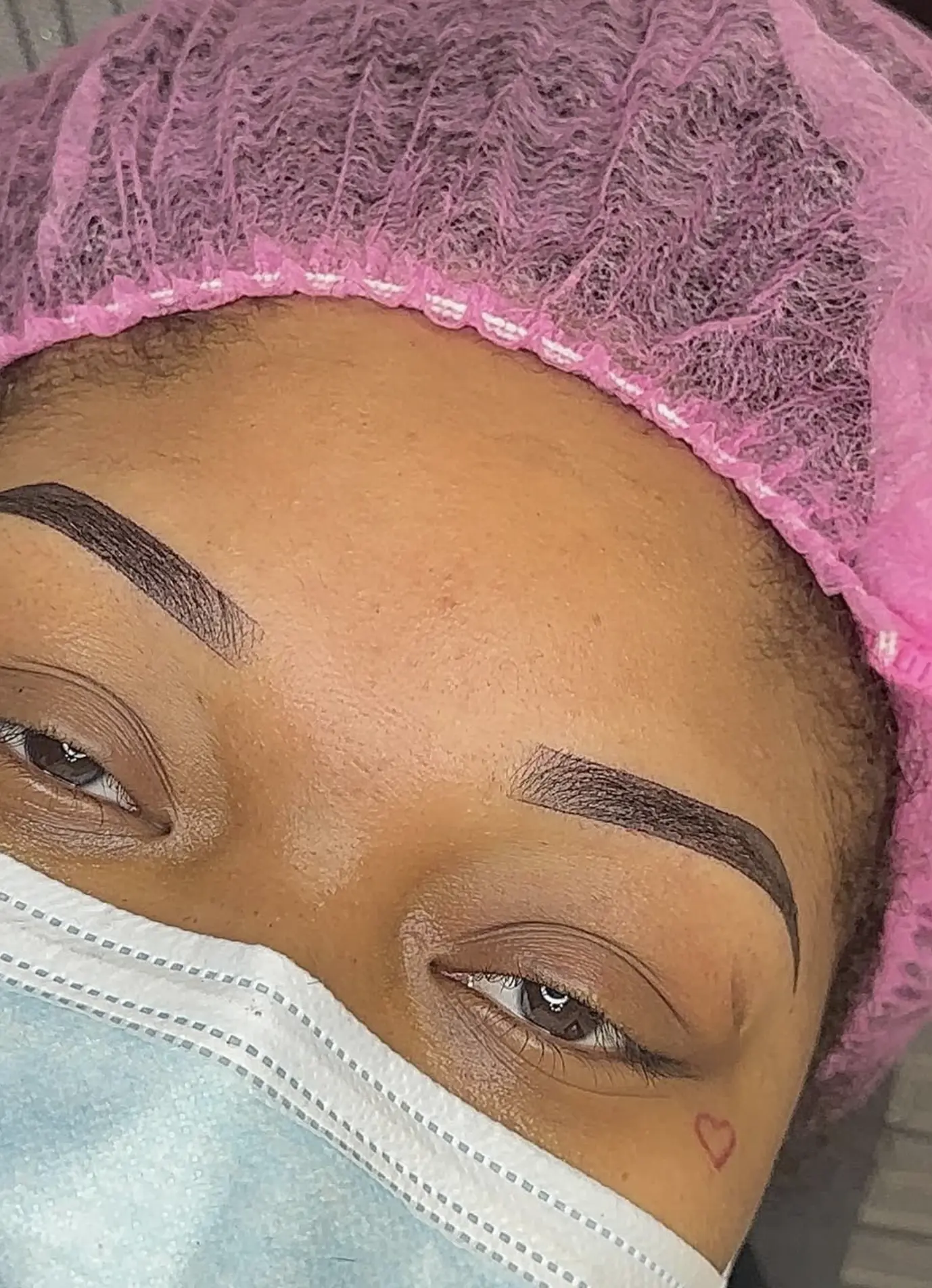
- PMU tattooing: Digital devices use super fine needles that deposit pigment into the upper dermal layer. These are perfect for Nano Brows, ombre brows and Lip Blushing.
- Body tattooing: Coil or rotary machines are louder, more powerful and designed to implant pigment deep into the dermis for bold, long-lasting designs.
In eyebrow tattooing, the goal is natural-looking hair strokes or soft shading. In a sleeve tattoo, the goal is dramatic colour saturation and longevity.
Pigments: PMU Pigments vs Traditional Tattoo Inks
The pigments used are another big difference.
- PMU pigments: Formulated for cosmetic tattooing, often iron oxide-based. They’re designed to fade in 1–3 years, so you can change your style, colour correct or touch up.
- Traditional tattoo inks: Bold, permanent and long-lasting. Perfect for art, not so much for brows or lips.
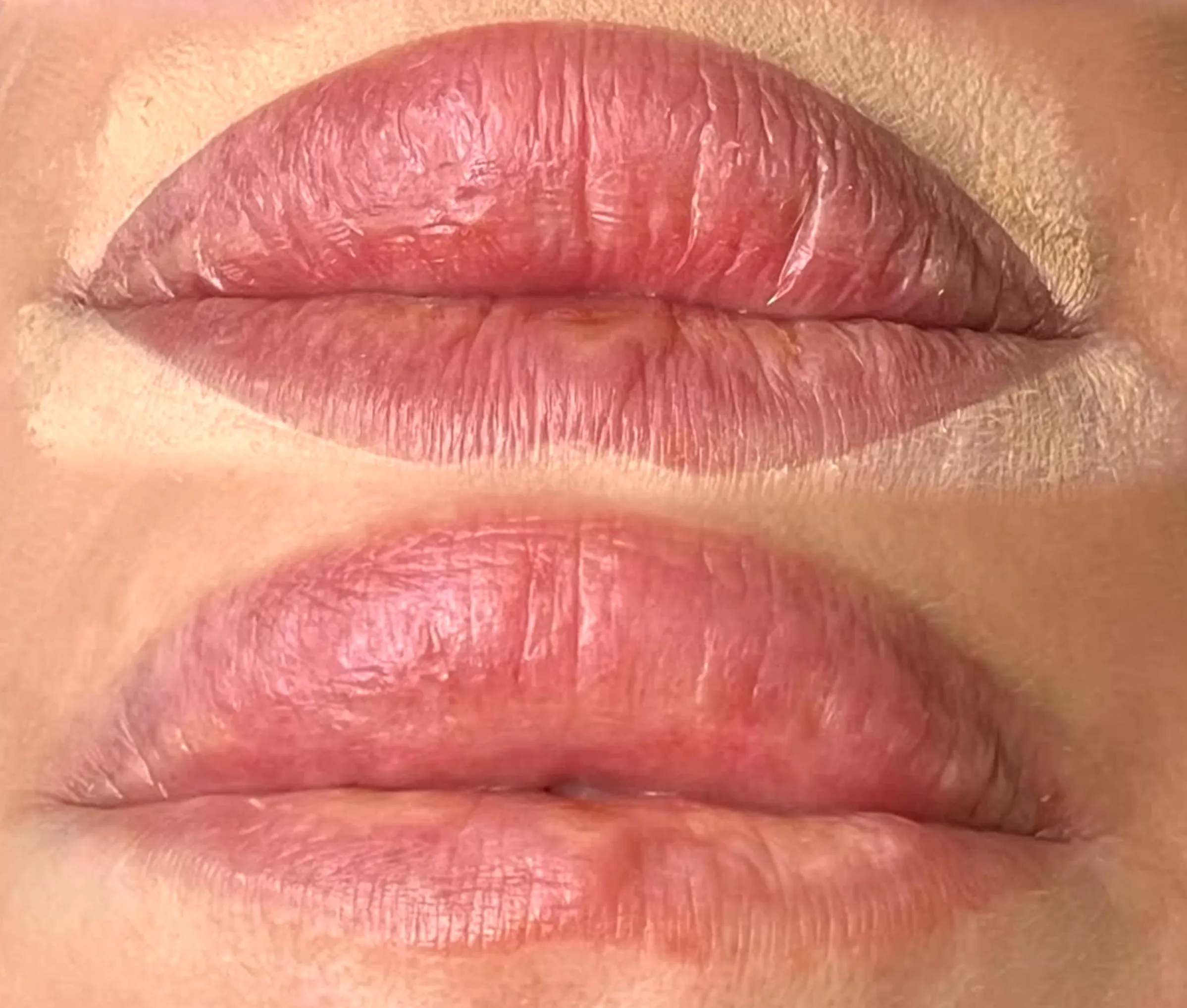
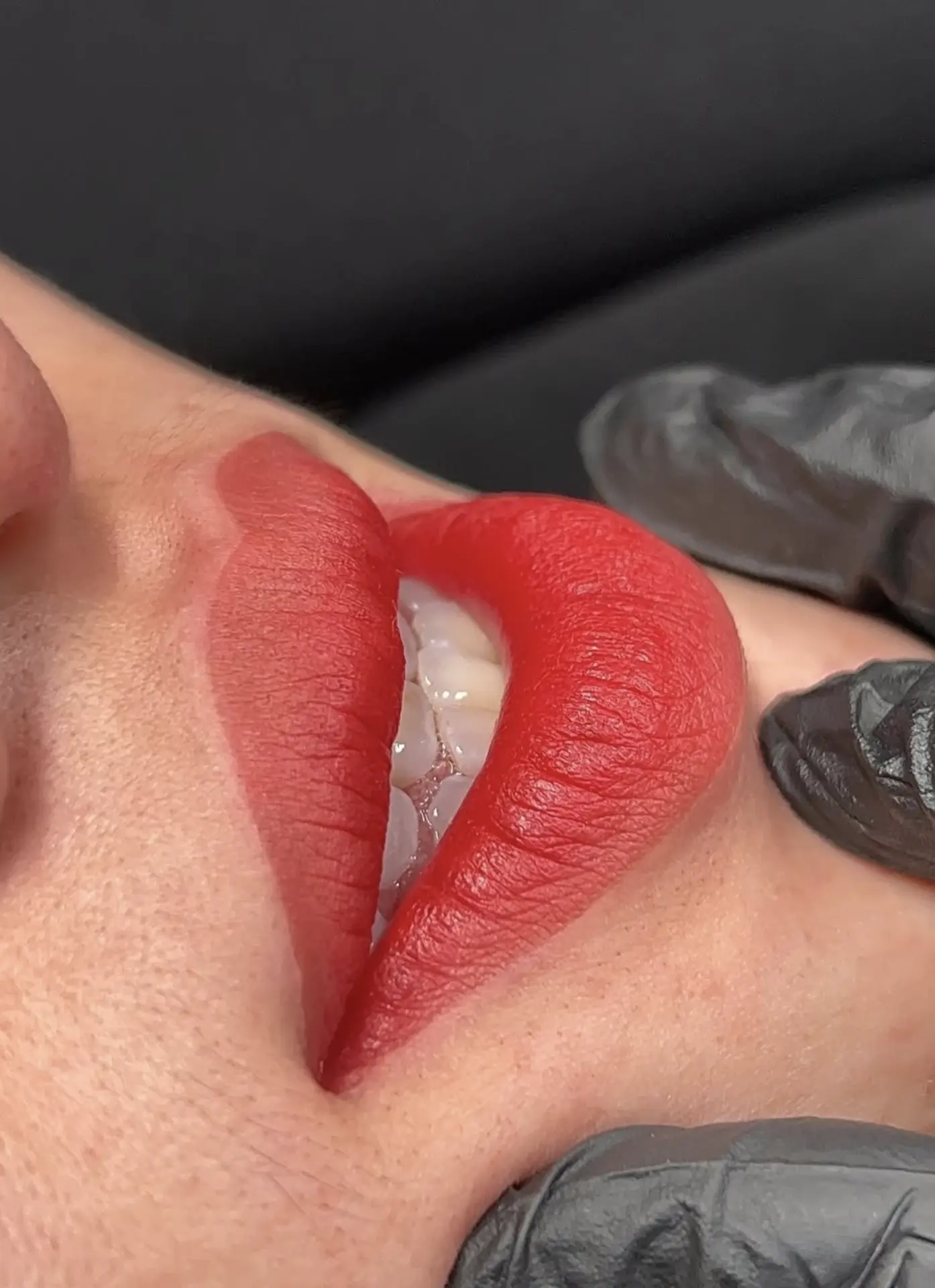
For example, a client booked a full lip tattooing with me and wanted natural rosy tones that wouldn’t last forever, because skin tone and lip colour change with age. Using PMU pigments, I could achieve that soft, lasting enhancement without the harsh permanence of body tattoo inks.
Client Goals: Confidence vs Expression
The goals are worlds apart.
- PMU clients: Want enhancements for convenience, balance or confidence. Treatments include ombre brows, Lip Blushing, scar camouflage, and paramedical tattooing after surgery.
- Tattoo clients: Want self-expression — whether it’s a cultural sleeve, a memorial piece or the growing trend of tiny tattoos.
I had a client in for regeneration tattooing to cover scarring from skin trauma. This type of treatment requires knowledge of skin abnormalities and skin regeneration, areas that body tattoo apprenticeships don’t cover.
PMU Services in 2025
According to beauty trend reports for 2025, Permanent makeup is one of the fastest-growing treatments in Australia. The most popular services are:
- Ombre brows: A soft powdered look, perfect for clients with oily skin.
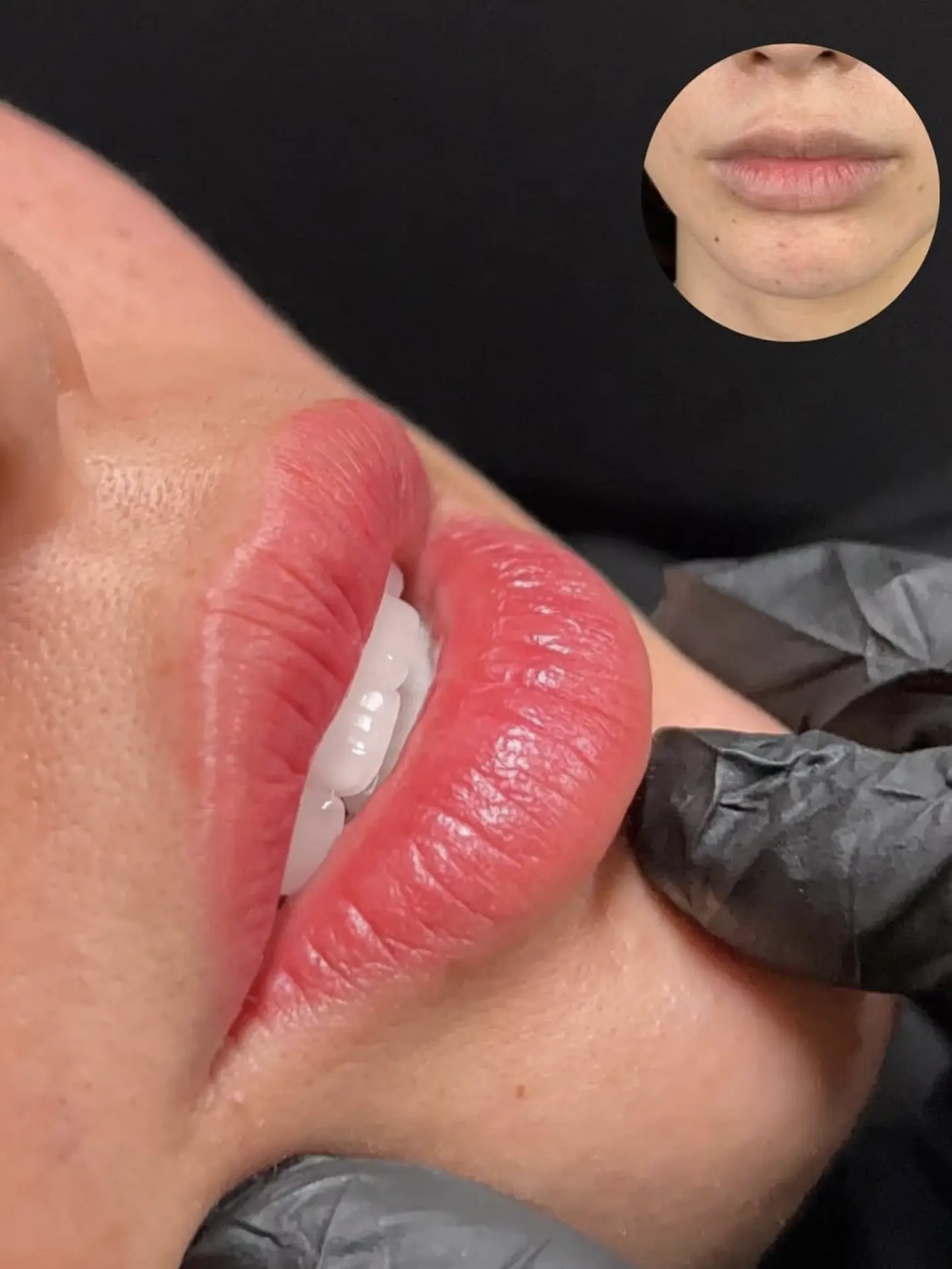
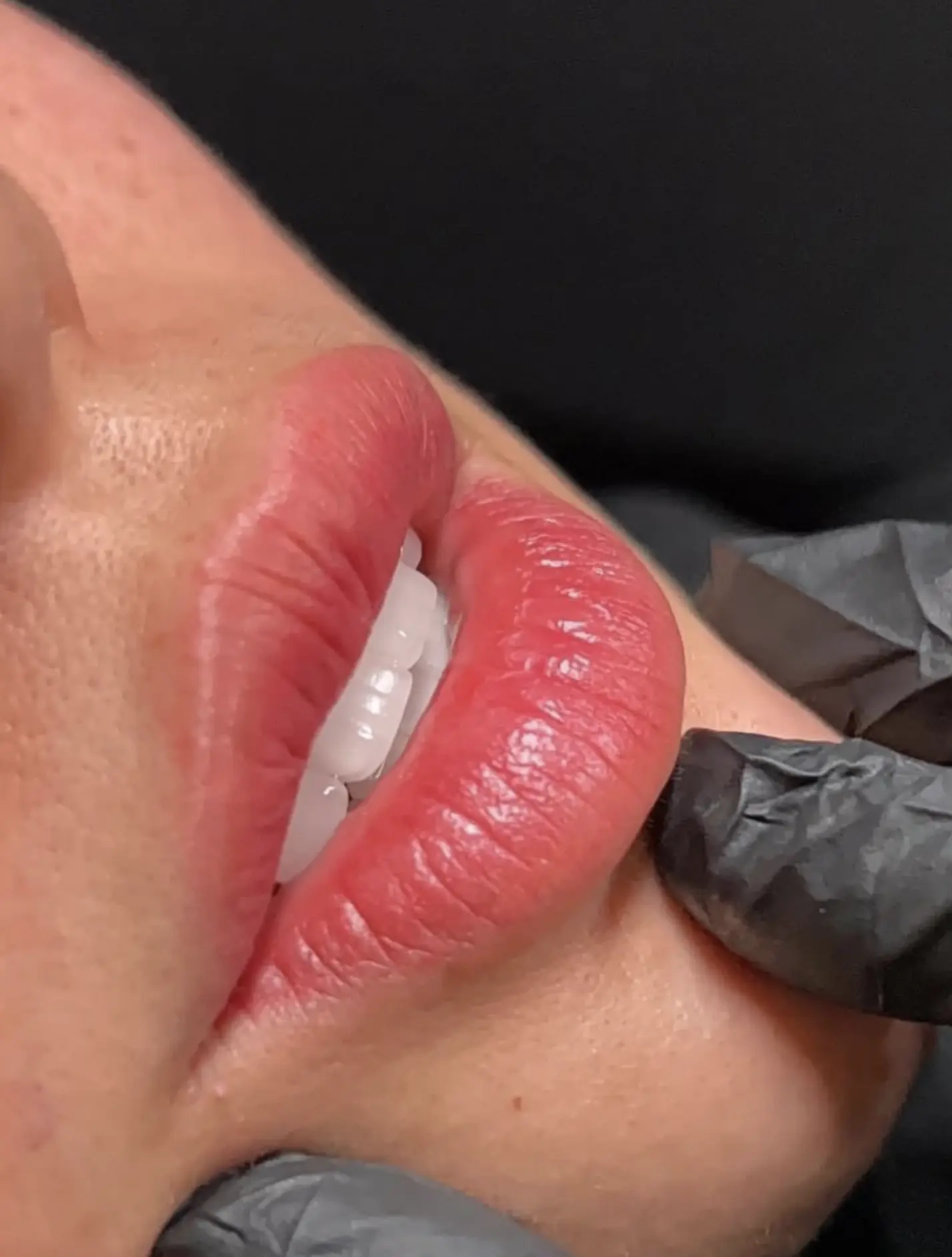
- Lip Blushing and full lip tattooing: Restoring faded lip borders and creating a youthful tint.
- Digital microblading: A gentler machine-assisted alternative to manual microblading.
- Medical tattooing: Scar camouflage, paramedical tattooing, regeneration tattooing for clients with skin irregularities.
Meanwhile, tattoo studios in Melbourne are seeing a surge in tiny tattoos — a lifestyle trend that’s not about convenience but self-expression.
PMU Artists vs Tattoo Artists
| Aspect | PMU Artist | Tattoo Artist |
|---|---|---|
| Training | Cosmetic tattoo courses, skin anatomy | Apprenticeships in tattoo studios |
| Pigments | Fading PMU pigments | Permanent tattoo pigments |
| Machines | Digital PMU devices | Coil/rotary tattoo machines |
| Depth | Shallow dermal layer | Deeper dermal layer |
| Healing | Light flaking, faster recovery | Peeling, longer healing |
| Common Treatments | Ombre brows, Lip Blushing, scar camouflage | Sleeves, cultural art, tiny tattoos |
| Medical Applications | Paramedical tattooing, skin regeneration | Rare |
Final Thoughts
It’s not just about the tools. It’s about purpose, training and long-term results. If you want brows, lips or eyeliner that look natural and age well, you need someone trained in Permanent makeup — not a body art apprentice.
At Face Figurati Cosmetic Tattoo Studio in Melbourne, we customise every treatment to your skin, bone structure and lifestyle. Whether you’re interested in ombre brows, Lip Blushing or a restorative scar camouflage treatment, we’ll guide you every step of the way.
FAQ
Why does permanent makeup fade but tattoos don’t?
Because PMU pigments are formulated to fade, placed more superficially than traditional tattoo inks.
Can a tattoo artist perform cosmetic tattooing?
Not safely without training. That’s why eyebrow tattoo courses and permanent makeup course programs are essential.
Does permanent makeup hurt as much as tattoos?
Usually less, thanks to numbing creams and smaller needles.
What’s the difference between microblading and digital microblading?
Microblading artists use handheld blades, while digital microblading uses a PMU device for more precision and less trauma.
Can PMU help with scars or medical conditions?
Yes. Medical tattooing, including paramedical tattooing and regeneration tattooing, supports clients with scars, vitiligo, or post-surgery needs.
cosmetic tattoo courses