I still hear the same nervous whisper in the treatment room: “What does toner actually do?” and to be fair, it’s a pretty fair question. The beauty industry has been treating toner like a magic bullet lately – linking it to everything from tighter pores to oil control – which leaves a lot of people scratching their heads trying to figure out where it fits in their skincare routine.
I’m Sevine, the founder of The Facial Hub in Brisbane, and after working with thousands of clients – from super sensitive skin to skin that’s prone to breaking out due to hormones – I can tell you this: a skin toner isn’t just some fluff you can skip. If you use it right, it becomes a helpful second step that really helps get your skin in balance, leaves it feeling more hydrated, and makes it easier for the good stuff in your skincare products to work.
Many clients who come to me for a hydrafacial at The Facial Hub are amazed at how much better the results are when they use their at-home toner correctly.

Contents
- 1 How Modern Formulas Support The Skin
- 2 Why Balanced pH Levels Keep Skin Happier
- 3 Choosing Between Hydration And Exfoliation
- 4 Quick Comparison Table
- 5 How Toner Helps Your Serums Work Better
- 6 Misconceptions That Keep Skin From Thriving
- 7 Real Client Transformations From The Treatment Room
- 8 Finding A Formula That Suits Your Skin Type
- 9 Best Practices For Smooth, Even Application
- 10 Trends Shaping 2026: Microbiome-Friendly Formulas
- 11 A Final Thought — Your Skin Deserves Clarity
- 12 FAQ
How Modern Formulas Support The Skin
Modern face toners aren’t like the old stuff anymore – you know, the kind that stripped all the good stuff off your skin. Today, they’re more like lightweight lotion tonics that help keep your skin in balance, wash away any dirt left behind by your cleanser, and leave your skin nice and smooth, so your skincare products can soak in properly.
People tell me all the time that their skin behaves like a whole different person once they add toner back into the mix – its more hydrated, calmer, and just plain fresher – and that makes a big difference, especially in Brisbane where the humidity is so high and oil and dryness can combine in a pretty nasty way – so getting the application method right is really important.
When I do a microdermabrasion at The Facial Hub, I often show people how toner can really help keep the skin hydrated after the treatment, especially in the warmer months.
Why Balanced pH Levels Keep Skin Happier
Your skin really likes to be a bit on the acidic side – 4.5-5.5 is the sweet spot – but a lot of cleansers, especially the foamy kind, can knock that balance right out of whack. Once your pH levels get out of balance, your skin barrier becomes a bit more vulnerable, which can lead to breakouts, dryness, and a more stressed-out look.
A toner can help sort that out in seconds. According to dermatological studies, keeping your pH levels in check is key to maintaining skin health, ensuring your skin cells turn over properly, and keeping all your natural enzymes running smoothly.
I often recommend a balancing toner to clients who are doing LED light treatments at The Facial Hub, because it’s so good at soothing the skin and keeping it calm afterwards.
Choosing Between Hydration And Exfoliation
Not all toners are created equal – they quite literally have different jobs when it comes to skin troubles. Instead of going with what’s in fashion right now, I like to match you with a toner that’s specifically tailored to your skin type in the treatment room. I mean, that’s what it’s all about, right?
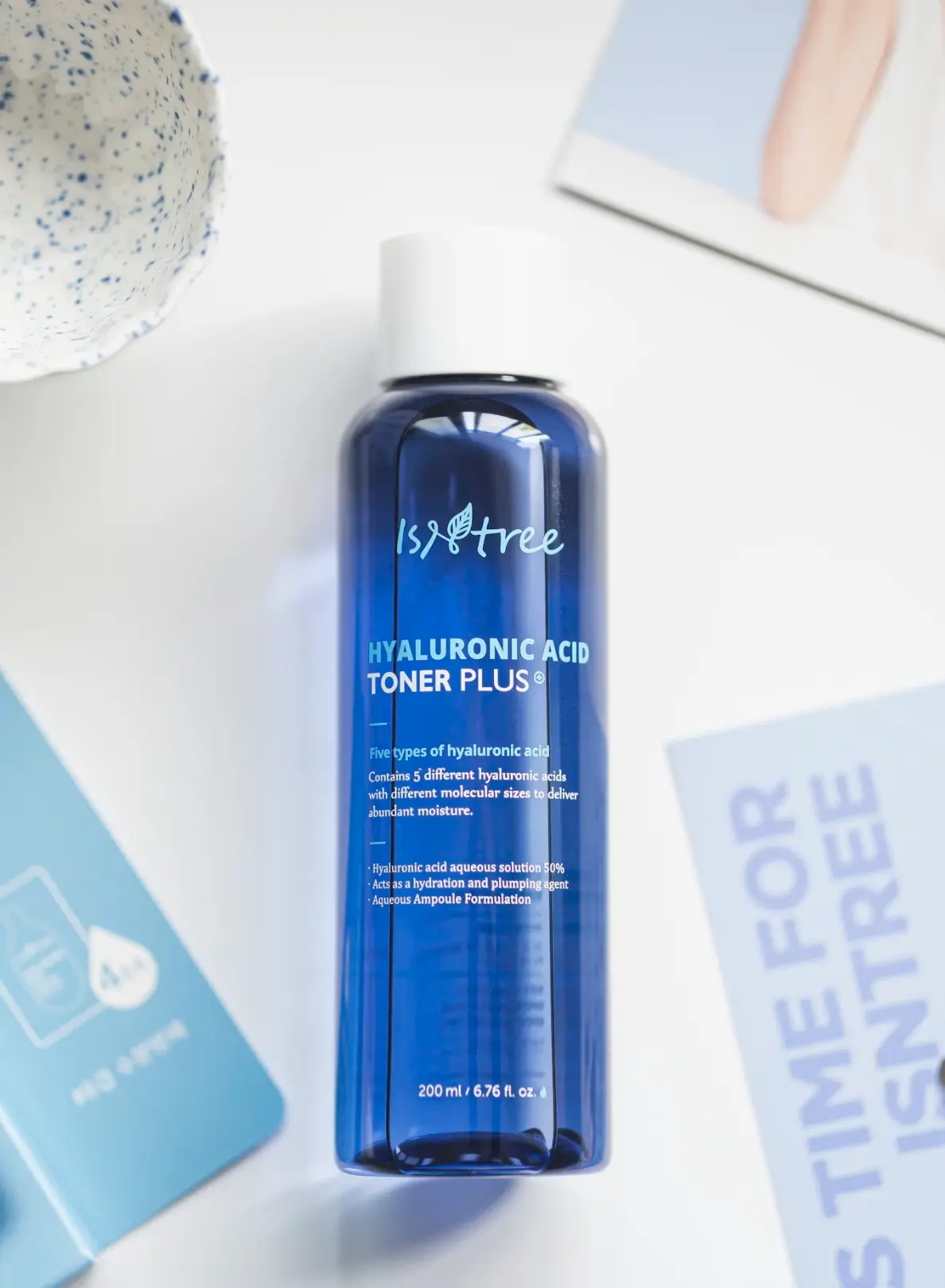
Moisture-Boosting Options
Best suited to: skin that’s dry, sensitive or just plain ageing.
The key ingredients in these are usually aloe vera, Vitamin E, panthenol and saccharomyces ferment, which all work together to combat dehydration, soften fine lines and help repair that all-important skin barrier.
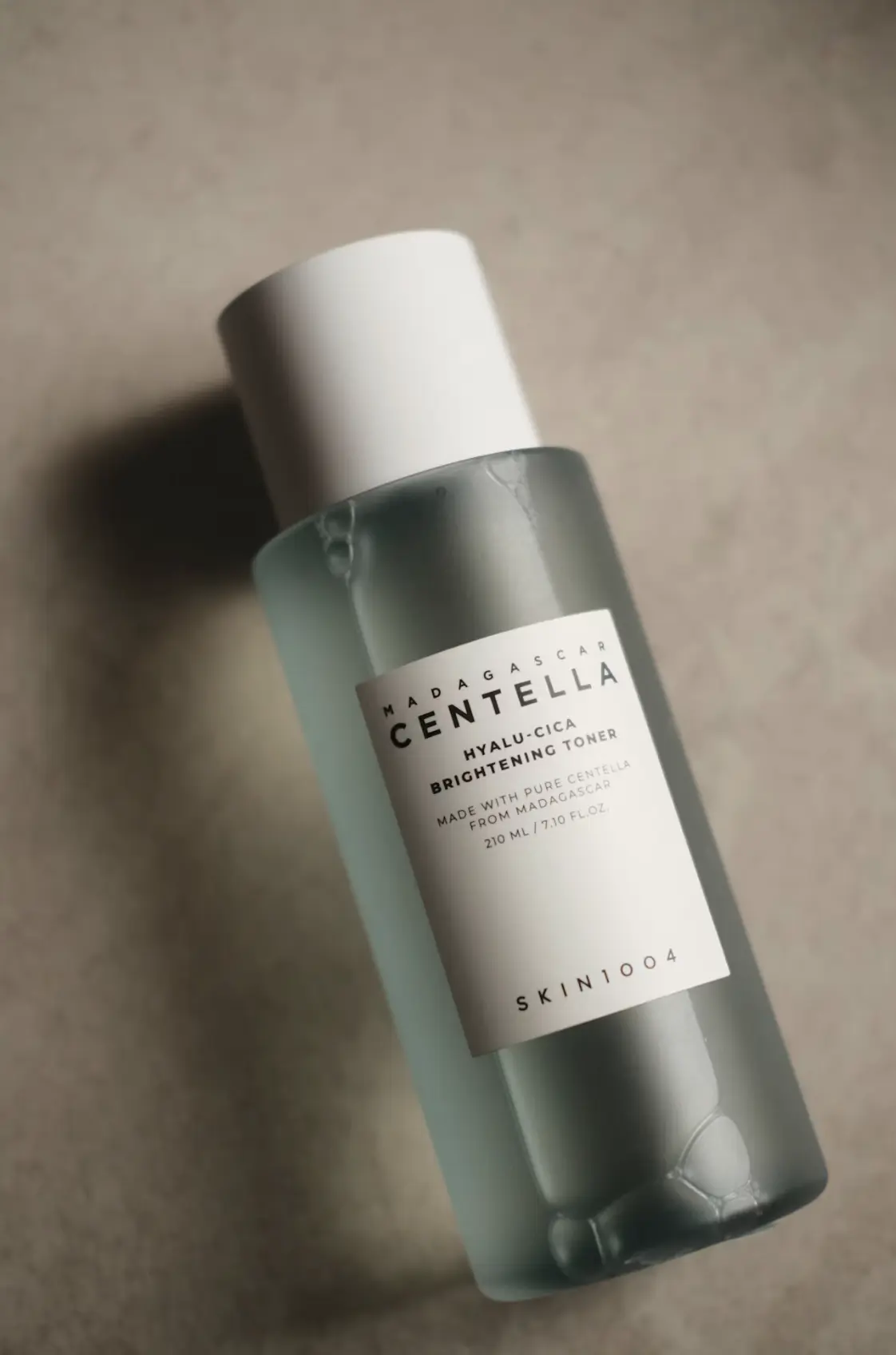
Clarifying And Refining Options
Best for: clogged pores, dull complexions and oiliness.
These toners are all about exfoliating – but don’t worry, it’s not like a face scrub at all. Instead, they use alpha-hydroxy acids (AHAs), beta-hydroxy acids like salicylic acid, and PHA acids to gently loosen dead skin cells in the topmost layer. The result? Skin that looks clearer and more radiant – all without any harsh scrubbing in sight.
Quick Comparison Table
| Toner Type | Key Ingredients | Best For | Frequency |
|---|---|---|---|
| Hydrating Toner | Aloe vera, Vitamin E | Dry, sensitive skin types | Daily |
| Balancing Toner | Herbal extracts, witch hazel | Combination and normal skin types | 3–5x weekly |
| Exfoliating Toner | AHAs, BHAs, salicylic acid | Congestion or excess oil | 2–4x weekly |
| Barrier Toner | Amino acids, red jania extract | Sensitised skin | Daily |
Clients who receive a smoother herbal peel at The Facial Hub often switch to hydrating toners temporarily to support post-peel restoration.
How Toner Helps Your Serums Work Better
Think of toner like the prep work before painting – getting the surface right so that the “paint” (active ingredients) really sticks. Hydrated skin is a lot more receptive to all those fancy serums – like a good dose of Vitamin C.
When your skin is just slightly damp from toning:
- Vitamin C slathers on a lot more smoothly
- Niacinamide just settles in
- Retinol gets distributed a lot more evenly
- And those peptides just soak up nice and easy
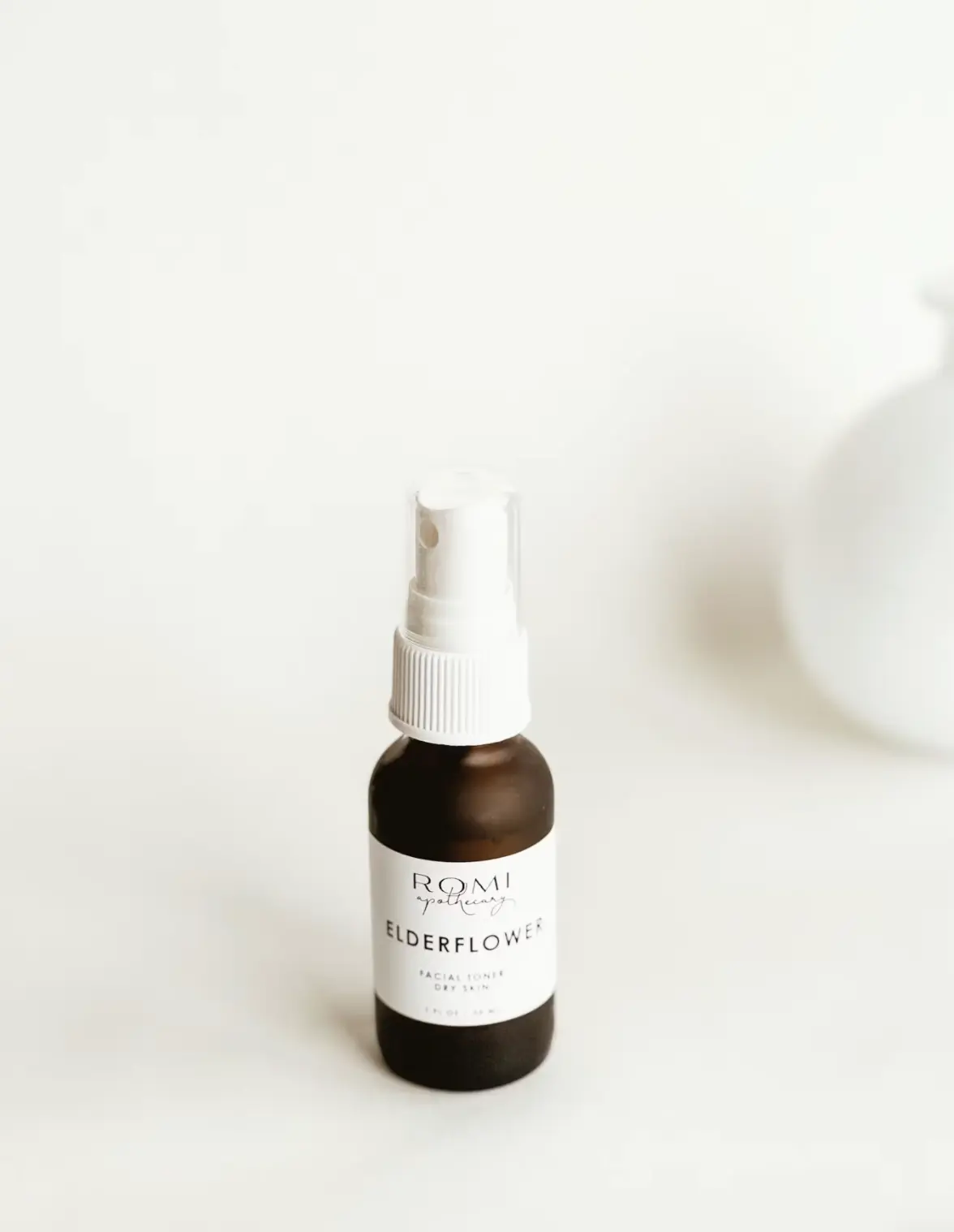
Now, in my own practice, I personally always just mist or slap a bit of toner on with my hands before layering on the serums. A cotton pad’s fine too, but hands are way gentler on delicate skin.
When new clients come to me for cryotherapy in Brisbane The Facial Hub, we always go over their home skincare, and I show them just how much of a difference using a good toner can make in getting those serums to work effectively.
Misconceptions That Keep Skin From Thriving
Pores Don’t Open Or Close
What toner actually does is give the appearance of smaller pores by balancing out your oil levels – it doesn’t physically shrink them, sadly.
Stinging Isn’t A Sign Of Effectiveness
Stinging is a sign your skin barrier is getting a bit upset. Even with acid toners, it should still feel gentle – not like a million knives are stabbing you.
Toner Isn’t Only For Oily Skin
And no, toners aren’t just for people with oily skin either – hydrating formulas are super beneficial for dry or mature skin and can really help even things out.
Application Is Flexible
Hands, misting, or a cotton pad – it’s all good, as long as you’re using it consistently.
Real Client Transformations From The Treatment Room
Recently, I had a client come in whose skin was all irritated from overdoing it with at-home skincare – in particular, she was using a strong glycolic toner twice a day. Her skin barrier was all inflamed, and those fine lines just looked worse due to dehydration.
So we swapped out the exfoliating toner for a nice hydrating one, packed with herbal extracts like red jania and saccharomyces ferment.
Six weeks later, her skin barrier was all fixed, her glow was back, and she no longer needed all that mattifying toner to control oil – her skin just sort of balanced itself out again.
I have this conversation all the time with people booking in for hydrafacial at The Facial Hub, because honestly, a simple toner swap can make all the difference in your long-term skincare results.
Finding A Formula That Suits Your Skin Type
Here’s how I walk through skincare options with clients at The Facial Hub:
- Dry or mature skin: Think aloe vera, Vitamin E and ferment extracts sound like a good starting point.
- Oily or breakout-prone skin: Salicylic acid or tea tree oil is worth a try.
- Sensitive skin: Steer clear of anything too harsh – look for calming herbal blends instead.
- Sun-affected skin: Vitamin C is a good ally for brightening and repairing the damage.
And when we combine our skincare routines with LED light treatments at The Facial Hub, clients often find they can handle active toners much better.
By the way, don’t forget to patch test – especially exfoliating acids.
Best Practices For Smooth, Even Application
Don’t overdo it – just a small amount is all you need
My recommended application process:
- Give your face a good clean
- Apply toner as your second step – it really makes a difference
- Gently press it into your skin, which should be nice and damp
- Follow up with serums and moisturiser
Our travel-sized toner options at The Facial Hub are perfect for keeping your routine in order when you’re on the go, aren’t they?

Trends Shaping 2026: Microbiome-Friendly Formulas
You’ll be seeing a lot more toners featuring prebiotic and fermented actives like Saccharomyces ferment. This is quite a major shift, and it’s no surprise, since our industry data shows a whopping 18% rise in these types of formulas, all thanks to their super-strengthening effect on the skin barrier.
A Final Thought — Your Skin Deserves Clarity
Toners aren’t magic cures all, but when you use them right, they’re a brilliant supporting player that helps improve absorption, balance and long-term skin health. Not sure what skincare routine is right for you? Pop into The Facial Hub for some expert advice – education-focused customer service is what we’re all about.
FAQ
Do I need toner if I already use a serum?
Yep, you do – toner helps to get your skin all primed and ready for those active ingredients to do their thing.
Can I use toner twice a day?
Hydrating toners – go for it. Exfoliating toners with alpha-hydroxy acids or salicylic acid – be more careful, a few times a week is plenty
Will toner help with acne?
Toners containing beta-hydroxy acids or tea tree oil can certainly help manage excess oil and congestion.
Is misting the same as toning?
Not at all – look out for toners with real ingredients that’ll do some good for your skin, not just water and fragrance.
Can toner replace moisturiser?
No way – toners hydrate, but moisturisers lock everything in place.