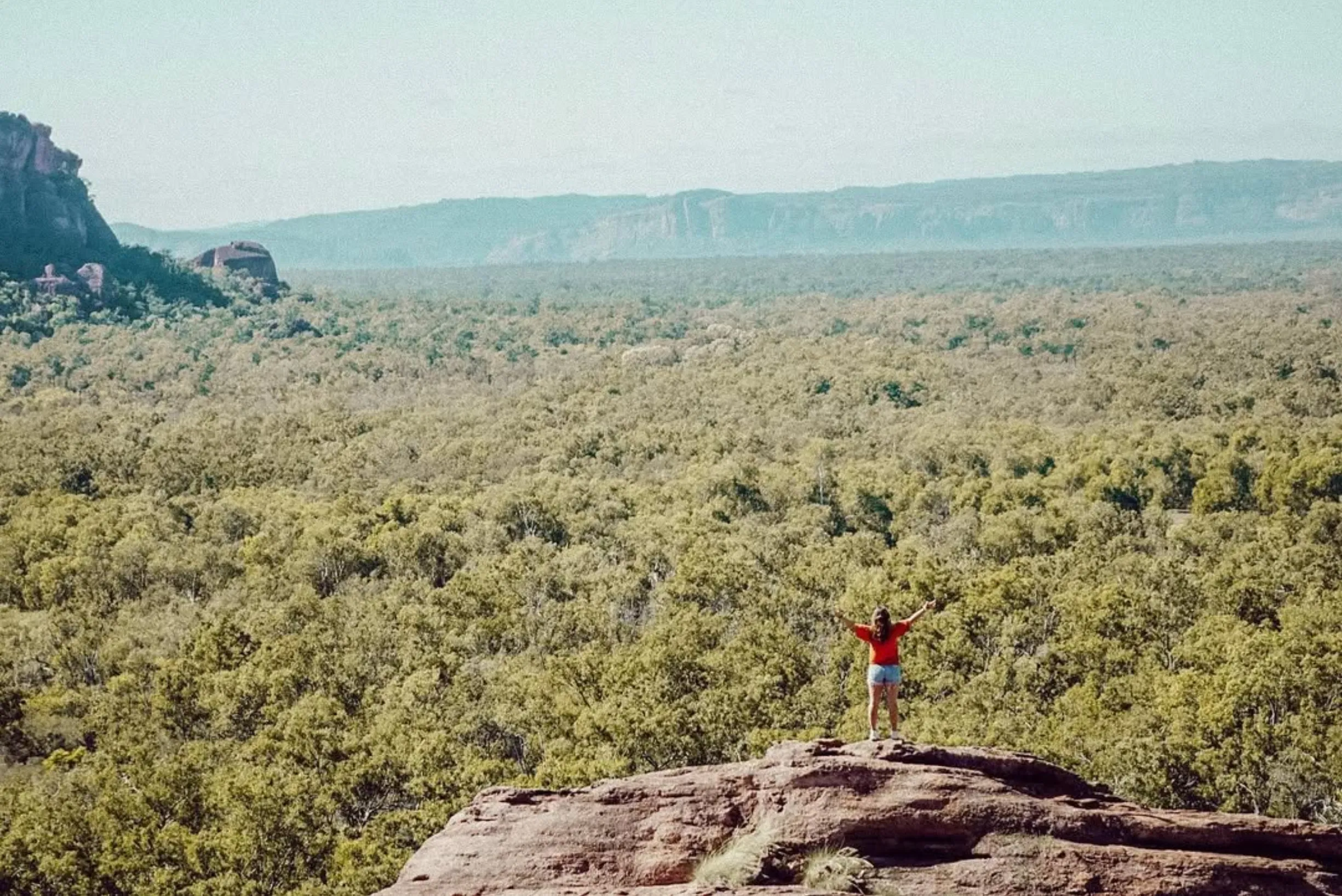
Kakadu National Park in the Northern Territory of Australia is one of the most interesting places in the world. Spanning almost 20,000 square km this pristine environment has an amazing array of ecosystems, from dramatic sandstone cliffs to huge coastal wetlands. Recognised for its natural and cultural values Kakadu is jointly managed by Parks Australia and the traditional owners the Aboriginal people of the area.
Kakadu has massive rock art sites, rich archaeological sites and an archaeological record that gives us a glimpse into Indigenous societies and their hunting and gathering tradition. Plus the park is a haven for a huge variety of bird species, fish species, mammals, insects and endemic plants so it’s a must see for nature lovers.
If you’re visiting the park the Mercure Kakadu Crocodile Hotel is one of the most unique places to stay, comfortable and right in the heart of Kakadu.
Contents
The Diverse Landscapes
Sandstone Escarpments and Gorges
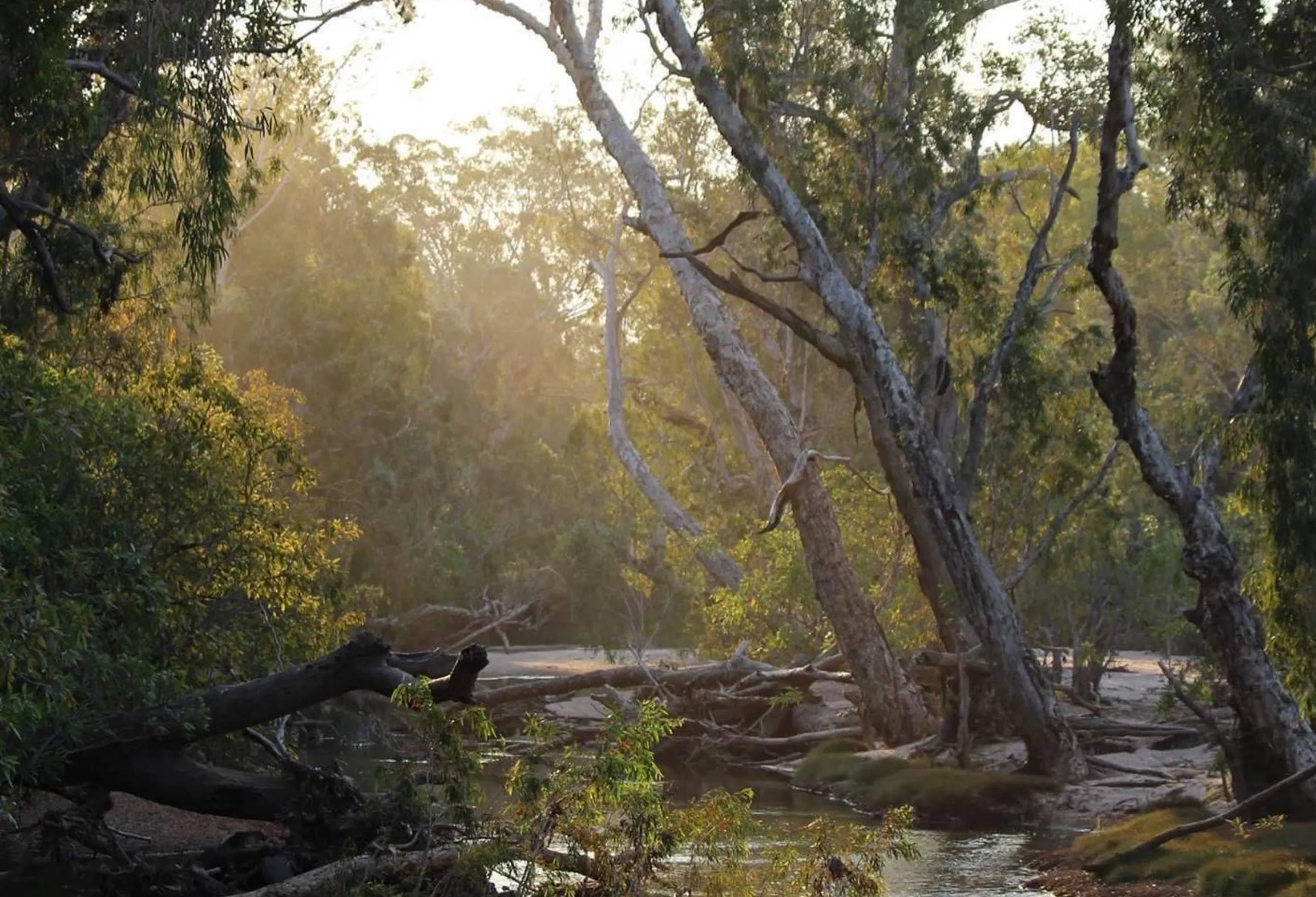
The Arnhem Land escarpment has Koolpin Gorge, ancient escarpments, deep gorges and rocky outcrops. These have been shaped by chemical weathering and millions of years of evolution. Aboriginal rock art sites are everywhere, showcasing artistic achievement from 10,000 years ago.
Wetlands and Floodplains
Kakadu’s wetlands like Yellow Water Billabong is one of the park’s biggest icons. During the wet season the freshwater floodplains come alive with thousands of Australian bird species including Magpie Geese, Black-necked Stork, Chestnut-quilled Rock Pigeon. These coastal floodplains are the major staging areas for migratory birds and freshwater crocodiles.
If short on time a Darwin to Kakadu day trip is a great way to see these landscapes. Many tours visit Yellow Water Billabong, Nourlangie Rock and other key sites so you can see the park’s dramatic landscapes and habitats in a day.
Monsoon Forests and Savannah Woodlands
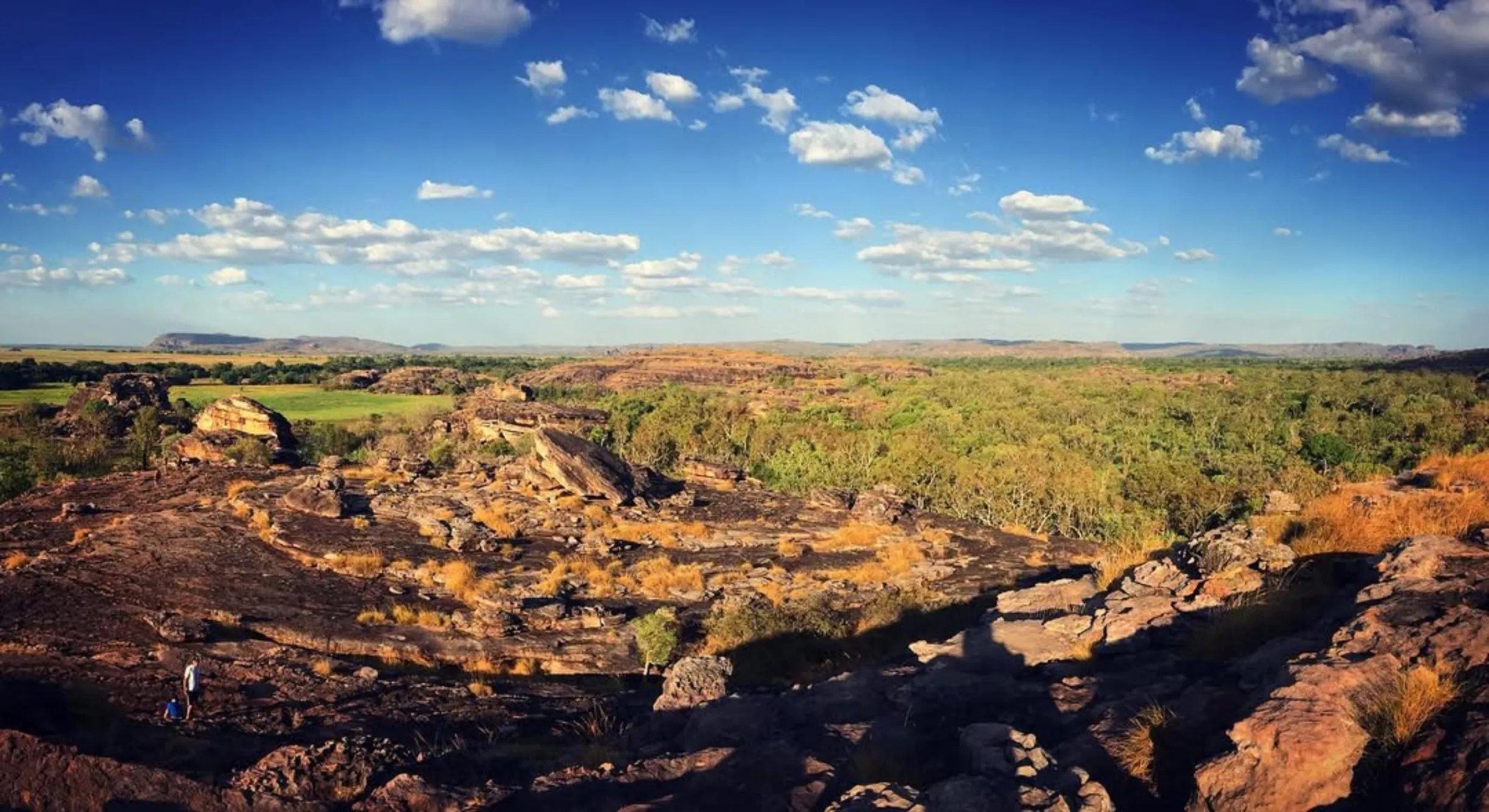
Scattered throughout Kakadu are monsoon forests in sheltered areas and savanna woodlands on the adjacent land. Freshwater Mangrove and the rare tree Allosyncarpia ternata shows the park’s flora and habitats.
For a more in-depth experience 2 Day Kakadu tours visit extensive rock art sites, Jim Jim Falls and see feral animals and exotic flora up close. These tours are well paced and combine cultural and natural attractions.
Tidal Flats, Mangrove Swamps, and Major River Systems
The mangrove swamps of Kakadu are important to the park’s environment. The major river systems, including the Alligator Rivers, Adelaide River, and Mary River, support a huge variety of fish and land animals. These river systems get damaged by water during the wet season and changes the park’s hydrological status.
Seasonal Changes: Wet Season vs. Dry Season
Kakadu is a changing environment that transforms completely between the wet season and dry season.
- Wet Season (November to April): Heavy rain, incursion into freshwater areas, swollen rivers and waterfalls over cliffs. The Holocene climate brings waterbirds in concentration, great time for birdwatching.
- Dry Season (May to October): As water goes down, dry seasons exposes more of the park’s geology, sandbanks, rock formations and abandoned small scale uranium mines. Best time to visit archaeological sites and do day management activities.
The Cultural and Historical Significance of Landscape
Indigenous History and Sites
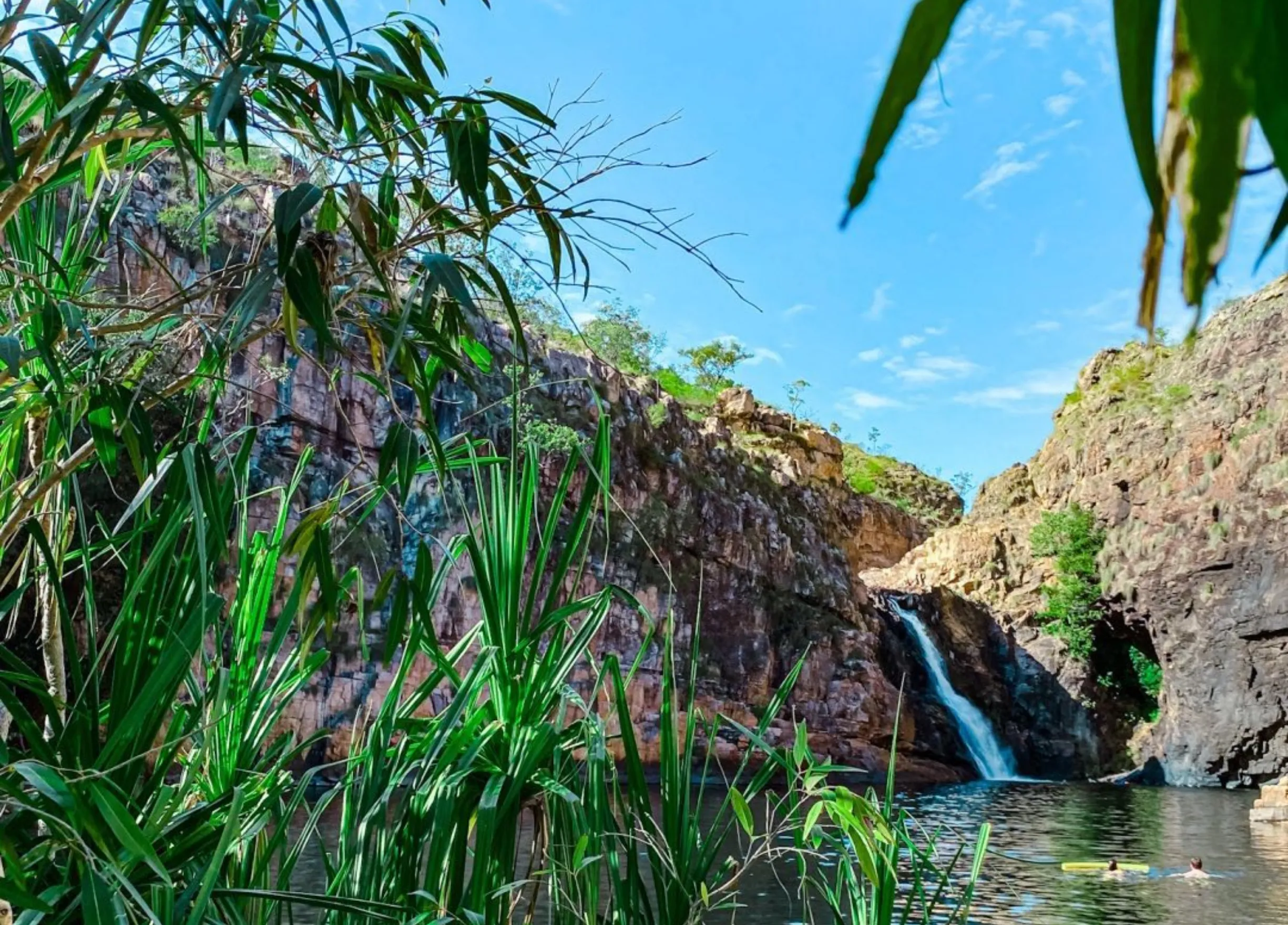
Kakadu has been home to Australia for Indigenous people for over 65,000 years. The park has some of the most densely packed cultural sites in Australia:
- Rock art sites with human figures, animal species and hunting practices.
- Anthropological traditions of hunting and gathering and cultural responsibility to the land.
- Cultural attributes tied to Dreamtime stories and long-term land management.
National Park Management and Conservation
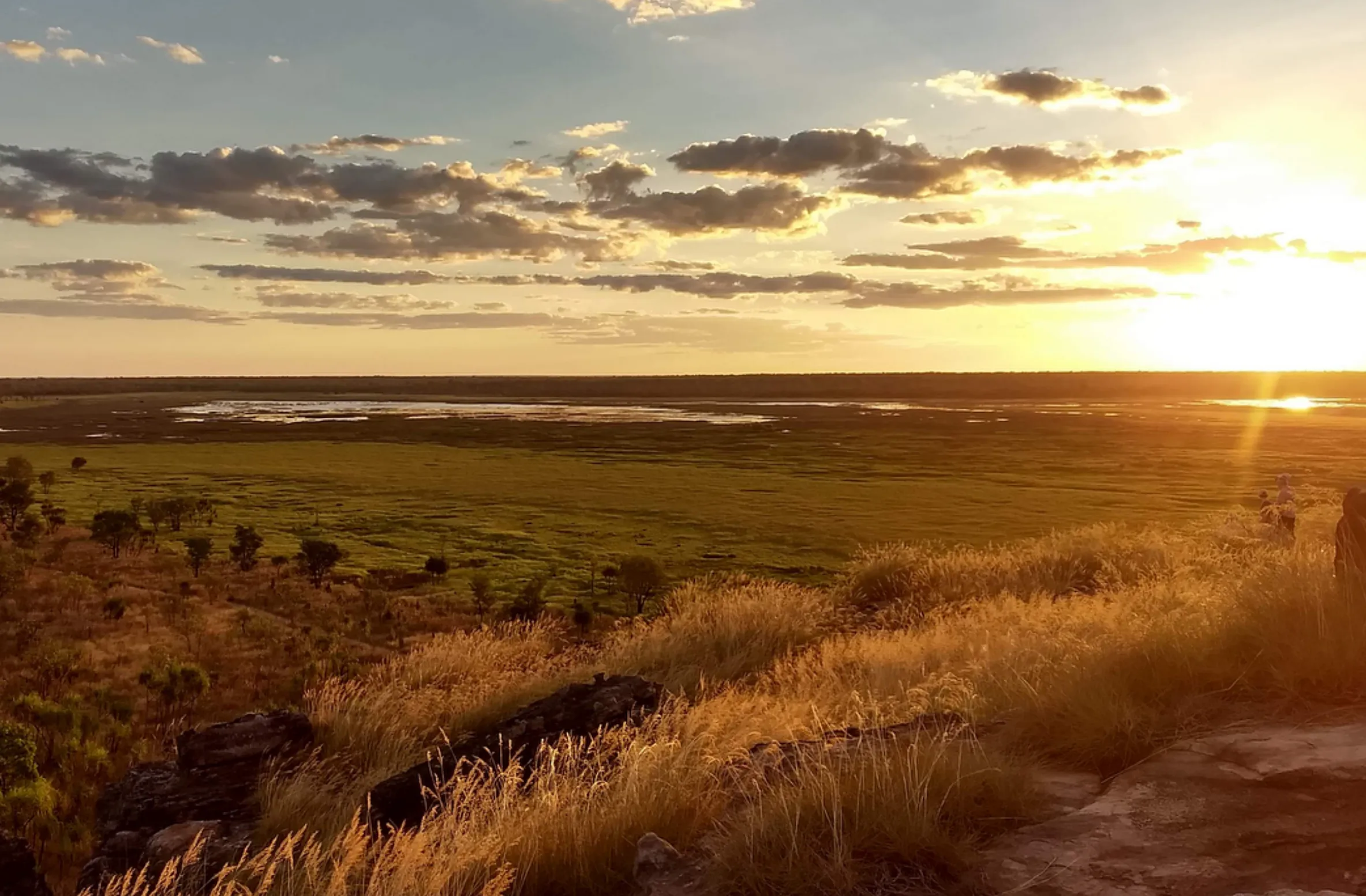
Kakadu is managed under a joint management agreement between Parks Australia and the Board of Management. Key issues:
- Land degradation and land use of the whole catchment of Kakadu.
- Invasive species like water buffalo and cane toads.
- Cane toads which affect fauna composition and ecological balance.
In recent years climate change has required a climate change strategy and adaption options to protect Kakadu’s natural values.
Historical and Industrial Impact
Kakadu’s landscape also shows historical records of 19th century and 20th century activity, including current uranium mining and waste from past industries. Sometimes no approval was given and conservation groups and ABC News have been looking into it.
Conclusion
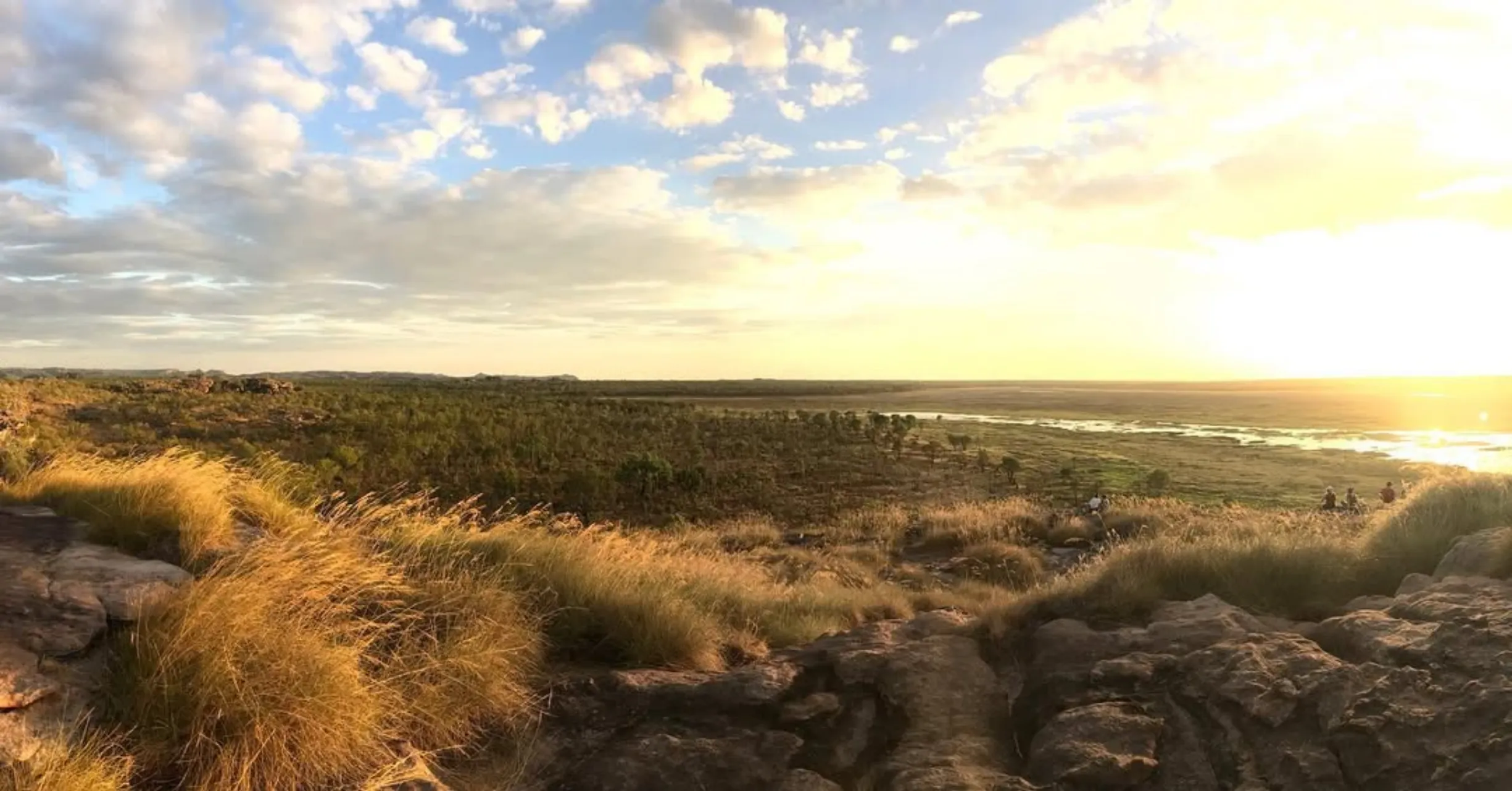
Kakadu National Park is the ultimate of Australia’s natural environment, combining breathtaking landscapes, coastal wetlands, freshwater floodplains, and monsoon forests in one intact landscape. With its so many features, sites to see, and history, Kakadu gives you a glimpse into both the geological history and human culture that have shaped this amazing region.
Whether you’re exploring the Arnhem Land escarpment, staying at the Mercure Kakadu Crocodile Hotel, or taking a 2 Day Kakadu tour, this national park is an experience you’ll never forget. Even if you only have time for a Darwin to Kakadu day trip, the park’s extras and cultural landscape means every visit is full of discoveries.
FAQs
What kind of landscape does Kakadu National Park have?
Kakadu National Park has a mixed landscape of sandstone escarpments, wetlands, floodplains, monsoon forests, savanna woodlands and mangrove swamps. The park’s main rivers (Alligator Rivers and Mary River) make it a dynamic environment and a unique ecosystem.
When is the best time to visit Kakadu National Park?
The dry season (May to October) is the best time to visit as most areas are open and the weather is good for walking and exploring. The wet season (November to April) is when the park transforms with heavy rain, full waterfalls and lots of wildlife, perfect for those who want to see Kakadu’s seasonal changes.
How can I visit Kakadu if I have limited time?
If you’re short on time a Darwin to Kakadu day trip is a great way to see highlights like Yellow Water Billabong, Nourlangie Rock and the Arnhem Land escarpment. For a deeper experience 2 Day Kakadu tours allows you to visit extensive rock art sites, deep gorges and iconic waterfalls.
Where should I stay when visiting Kakadu?
The Mercure Kakadu Crocodile Hotel is one of the most popular in the park and offers a comfortable stay with easy access to the highlights. You can also opt for campgrounds, eco-lodges and resort-style accommodation that gives you access to the park’s natural values and cultural sites.
What wildlife can I see in Kakadu National Park?
Kakadu has lots of wildlife, including freshwater crocodiles, Magpie Geese, Black-necked Storks, wallabies, dingoes and hundreds of bird species. The park has many fish species, land mammals, insect species and endemic plants that live in its different ecosystems.