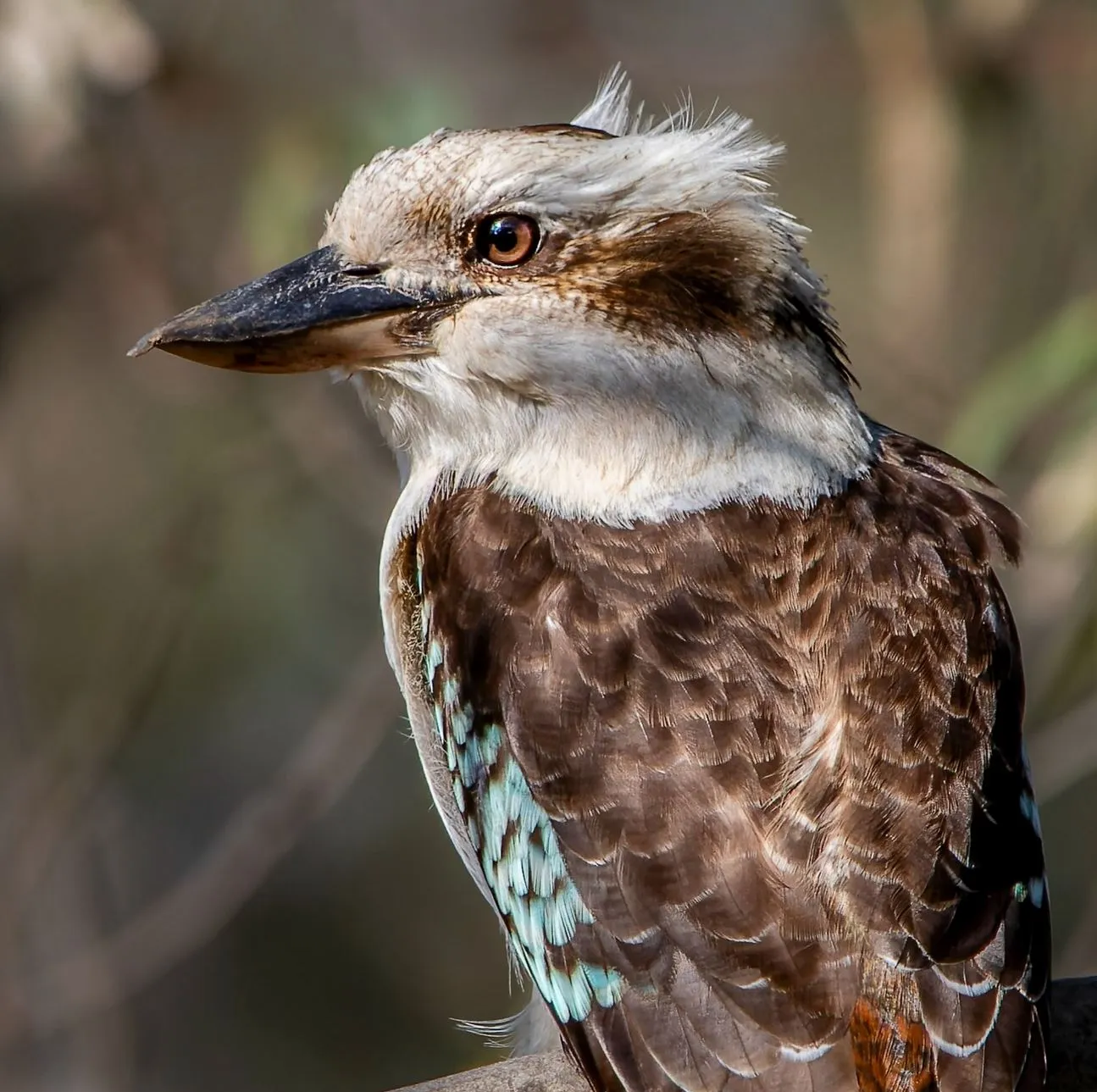
Kakadu National Park, the crown jewel of Australia’s Northern Territory, is a living masterpiece. Spanning nearly 20,000 square kilometres, it has wetlands, rocky escarpments, deep waterholes and monsoon forests. This UNESCO World Heritage-listed area is both natural and culturally significant and is home to an incredible array of flora and fauna. Among the many native species, visitors often ask: Do kookaburras live in Kakadu?
Contents
Yes, Kookaburras Do Live
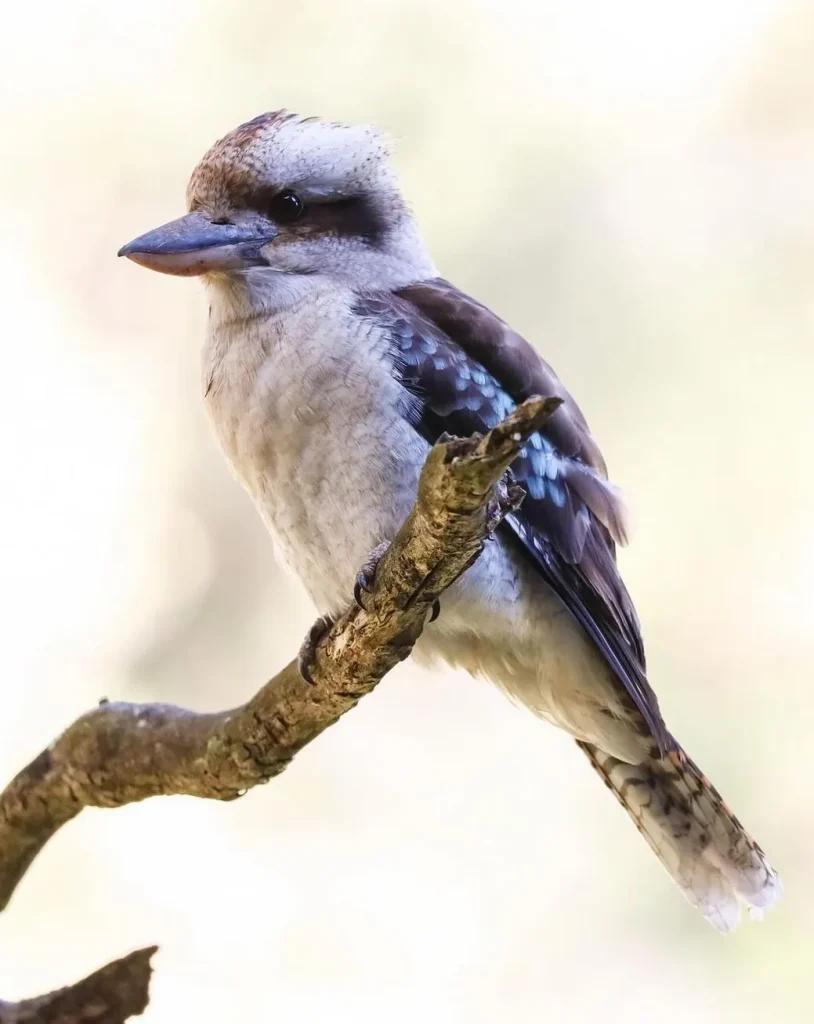
Yes, the Blue-winged Kookaburra (Dacelo leachii) is a native species that thrives in the park. Unlike the Laughing Kookaburra found in the east, this northern cousin is adapted to Kakadu’s varied habitats from coastal waters and tidal rivers to woodlands and savannah plains. Their presence is proof of the park’s ecological balance of life.
Blue-Winged Kookaburra: A Northern Icon
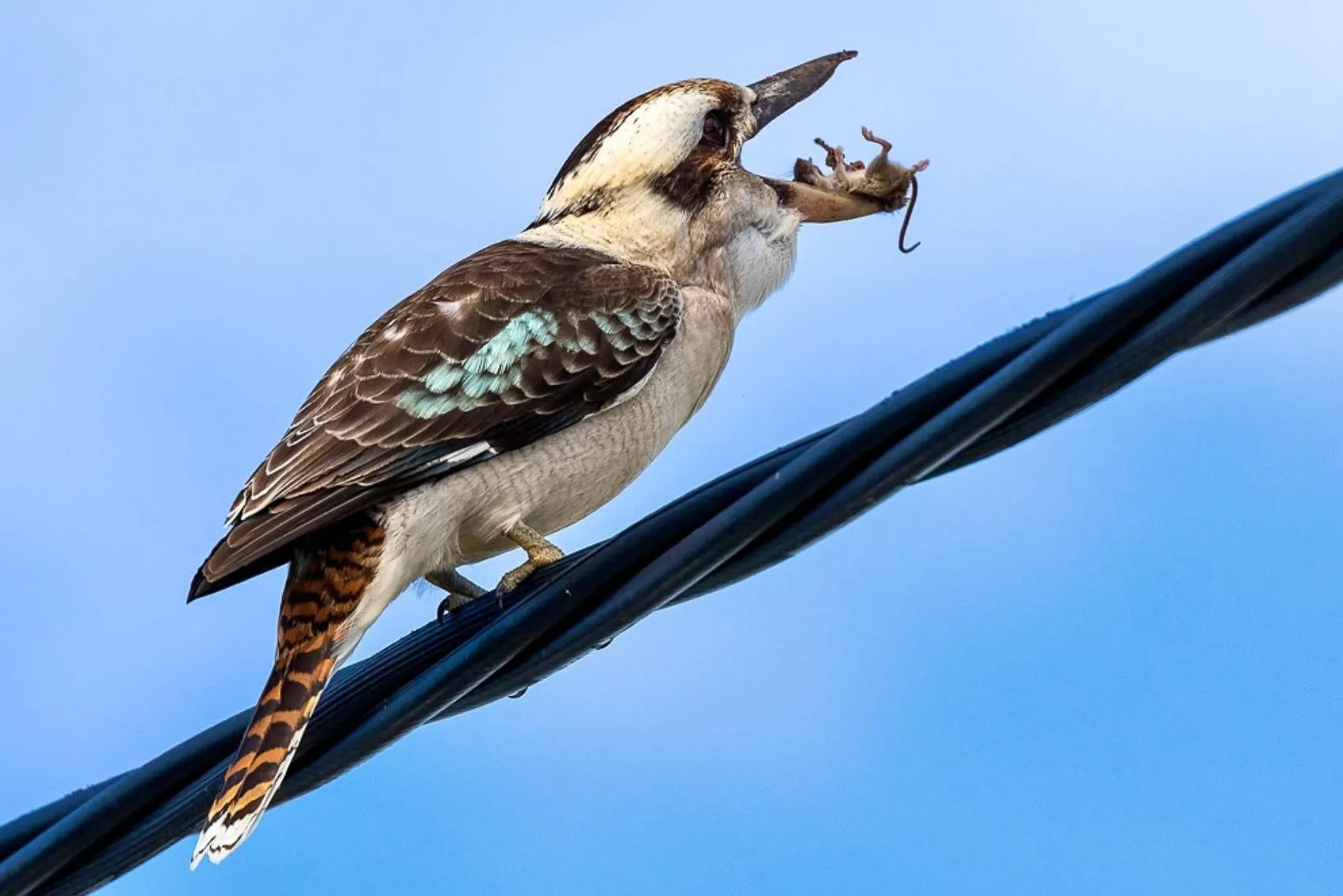
The Blue-winged Kookaburra is easy to spot with its bright blue feathers and powerful build. It doesn’t have the famous laugh of its southern relative. Instead, it has loud, harsh calls that echo through the bush, often in noisy colonies. These beautiful birds are active during breeding and mating season where their vocalisations and territorial displays are most prominent.
As carnivores, kookaburras feed on arboreal lizards, insects, frogs and small snakes. They sit silently on tree branches or tree trunks, watching for movement before swooping in with precision. They are skilled hunters and play a vital role in maintaining a natural balance among prey species.
Best Time to Birdwatch
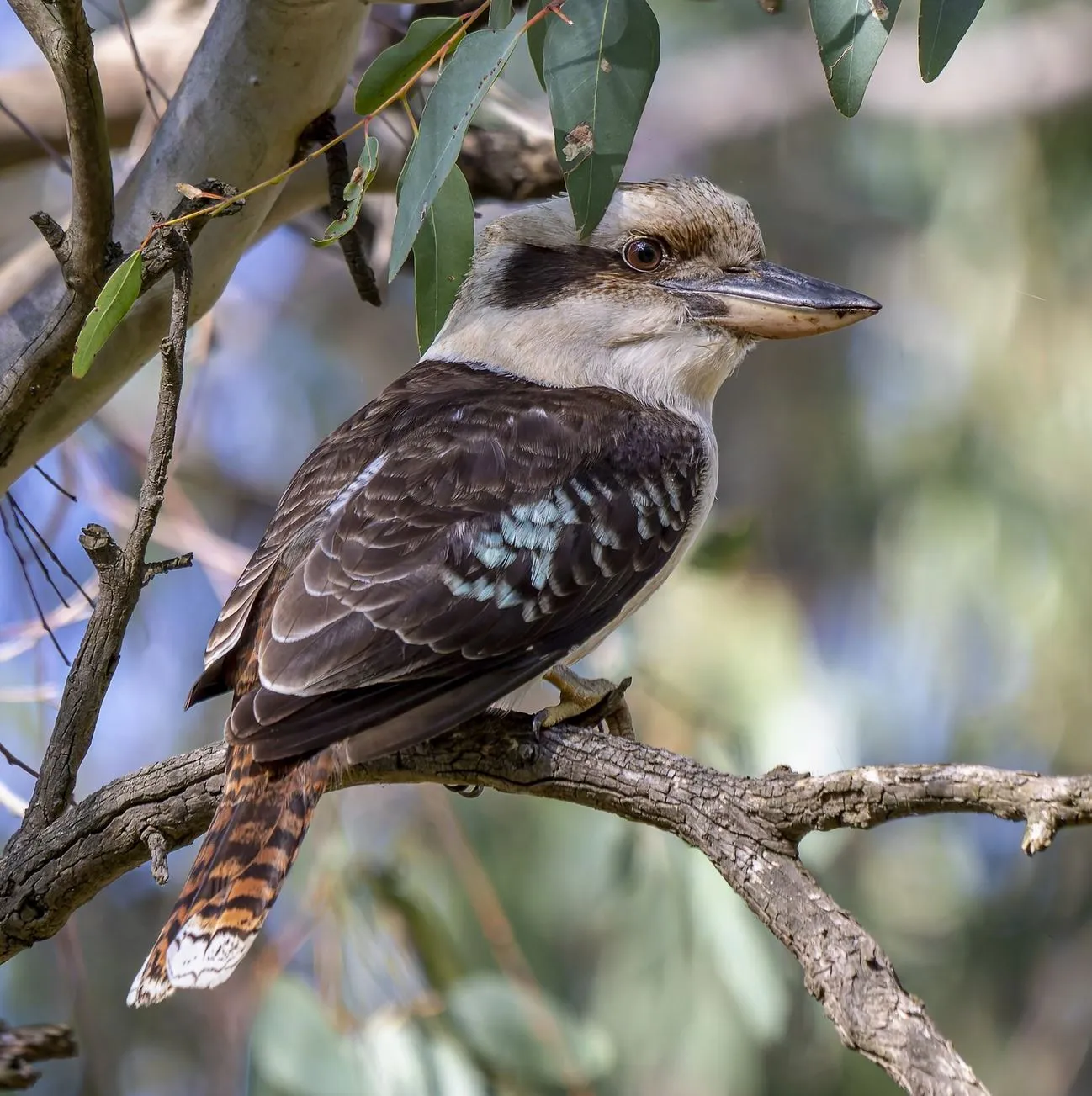
Kakadu is a bird lover’s paradise. The dry season (May to October) is the best time to see kookaburras and other iconic bird species like the Rainbow Bee-eater and the imperial pigeon. Top spots to see kookaburras and other birds:
- Mamukala Wetlands – water lilies and amphibians
- Yellow Water Billabong – freshwater crocodiles and aquatic species
- Nourlangie and Ubirr – rocky escarpments and cultural sites
- South Alligator River – tidal rivers and bird species. Morning and afternoon are the best times to see kookaburras near water and woodlands. The frogs and birdsong at these times is magic.
If you’re short on time but want to see the best of this area, there are 4 day Kakadu tours from Darwin that cover wildlife, cultural heritage and natural beauty.
Birdwatching Hotspots (Summary Table)
| Location | Features | Likely Sightings |
|---|---|---|
| Mamukala Wetlands | Water lilies, open viewing platforms | Kookaburras, herons, and ducks |
| Yellow Water Billabong | Cruises, aquatic habitats, freshwater crocodiles | Rainbow Bee-eater, imperial pigeon |
| Nourlangie & Ubirr | Rock art, escarpments, monsoon forest | Kookaburras, sugar gliders, black wallaroo |
| South Alligator River | Tidal zones, river crossings | Kookaburras, birds of prey, and aquatic species |
Kookaburras in the Wet Season
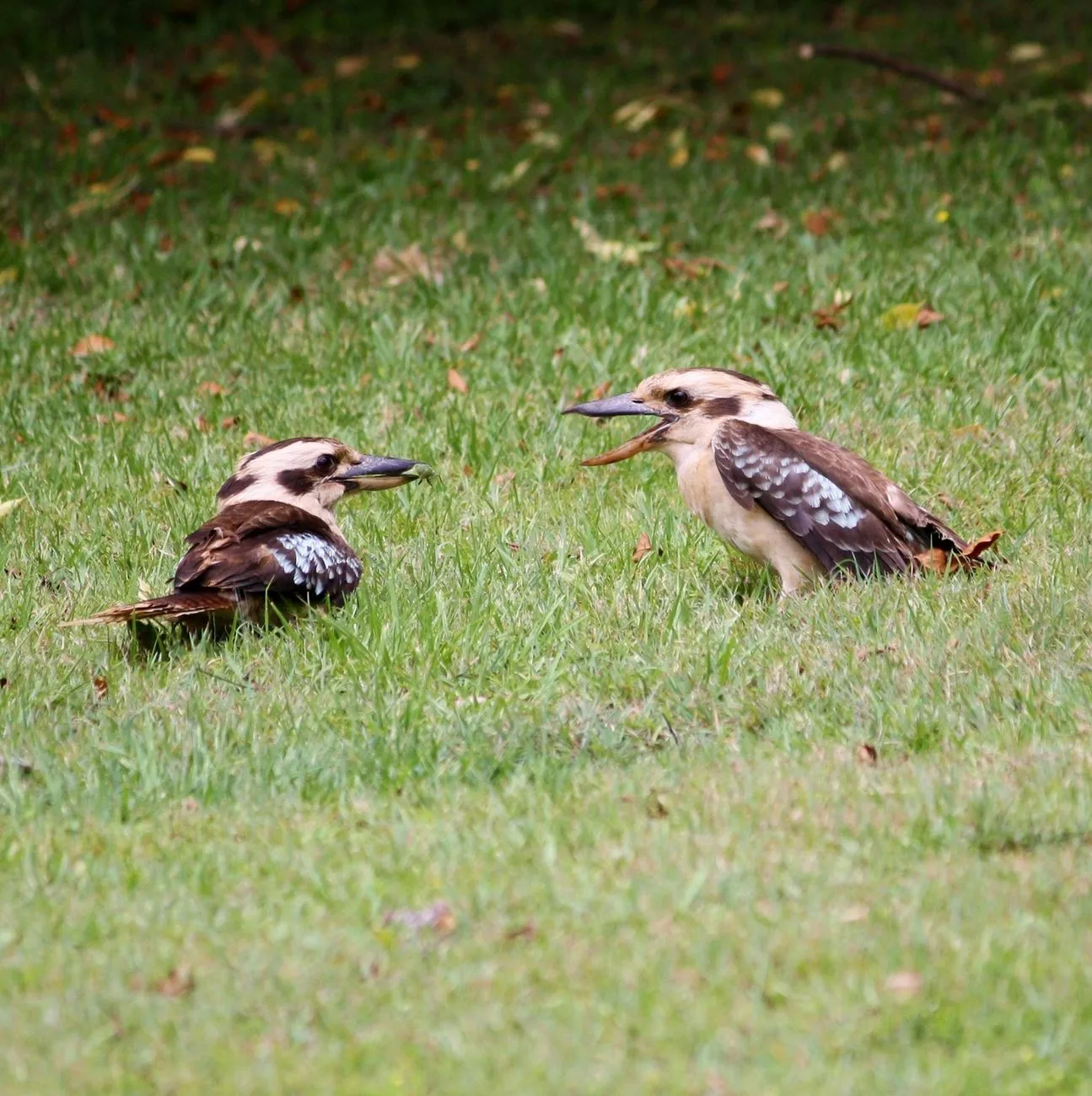
The wet season (Nov to April) is when Kakadu comes alive. Monsoon rains flood the floodplains creating aquatic habitats for an amazing array of wildlife. Kookaburras are active year-round and have adapted to the changing landscape. As food sources change they may be seen near deep waterholes or perched over flooded plains hunting frogs.
This time of year brings life to an incredible amount of flora and fauna. It’s when the park is at its busiest with species migrations, noisy bird colonies and greenery. Despite the challenges of invasive species like the cane toad, conservationists are working to protect native predators with strategies like cane toad sausages, teaching species like kookaburras and sugar gliders to avoid the toxic invaders.
Cultural Significance and Conservation
Kookaburras are an important part of Aboriginal Dreamtime stories. In the Top End the Blue-winged Kookaburra represents watchfulness, adaptability and family strength. Their calls echo the stories passed down through generations and are a cultural symbol of connection to the land.
Conservation in Kakadu is based on ecological knowledge, both scientific and traditional. Protecting bird habitats is part of protecting the park’s identity. With threats like habitat loss, polluted water quality and invasive species, protecting the kookaburra’s environment supports a greater ecosystem that includes black wallaroos, the brightest finch species and aquatic turtles.
Nearby Places to Visit
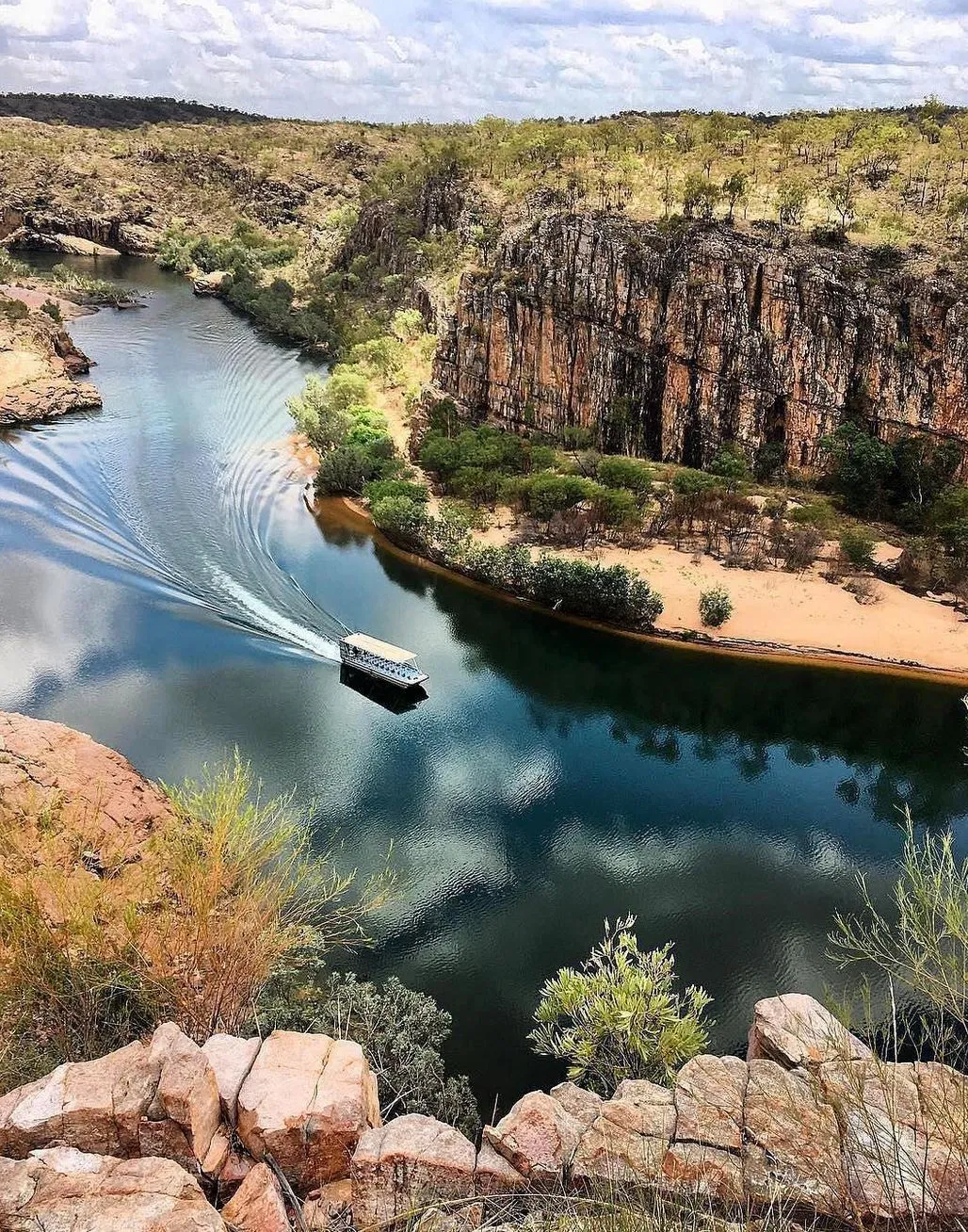
Travellers to Kakadu often extend their trip to Litchfield National Park or Nitmiluk Gorge where waterfalls, termite mounds and freshwater swimming holes await. These parks have similar ecosystems and offer different views of the Northern Territory’s biodiversity.
If you’re joining one of the popular 4-day Kakadu tours from Darwin you’ll get expert commentary, guided bushwalks and plenty of time to see kookaburras and other birdlife in their natural habitats.
Here is the table of top sites to see kookaburras and other native and iconic species in Kakadu.Book with Autopia Tours for wildlife and cultural experiences in Kakadu and more. Their expert guides will show you the park’s connections up close, birds of prey cruises and artists at work.
Why Kookaburras Matter
The Blue-winged Kookaburra isn’t just a pretty bird—it’s part of a delicate ecosystem. It interacts with many other species and ecosystems, controlling insect populations and signposting the health of woodland areas. Their survival depends on the integrity of Kakadu’s systems, from the smallest aquatic habitats to the highest tree branches.
Watching a kookaburra in its natural habitat—sitting on a tree branch as the wetlands shimmer below—reminds us of nature’s beat. It also reminds us of our responsibility to protect that beat from disruptions like climate change, invasive species and human activity.
Whether you’re an avid bird watcher or a first-time visitor, the kookaburra offers you a glimpse into Australia’s wild side.
FAQ
What type of kookaburra is in Kakadu?
Blue-winged Kookaburra is the main kookaburra species in Kakadu, found in northern Australia.
When can I see kookaburras in Kakadu?
Early mornings and late afternoons during dry season or just after wet season rains are best.
Are kookaburras affected by invasive species like cane toads?
Yes, cane toads are toxic to predators. Conservation programs like cane toad sausages are training kookaburras and other native species to avoid them.
Why are kookaburras important in Aboriginal culture?
Kookaburras are in Dreamtime stories and are the guardians of the bush, as per traditional lore.
Can I join a guided tour to see kookaburras in Kakadu?
Yes. Operators like Autopia Tours offer birdwatching tours, birds of prey cruises and cultural tours to help you see more.