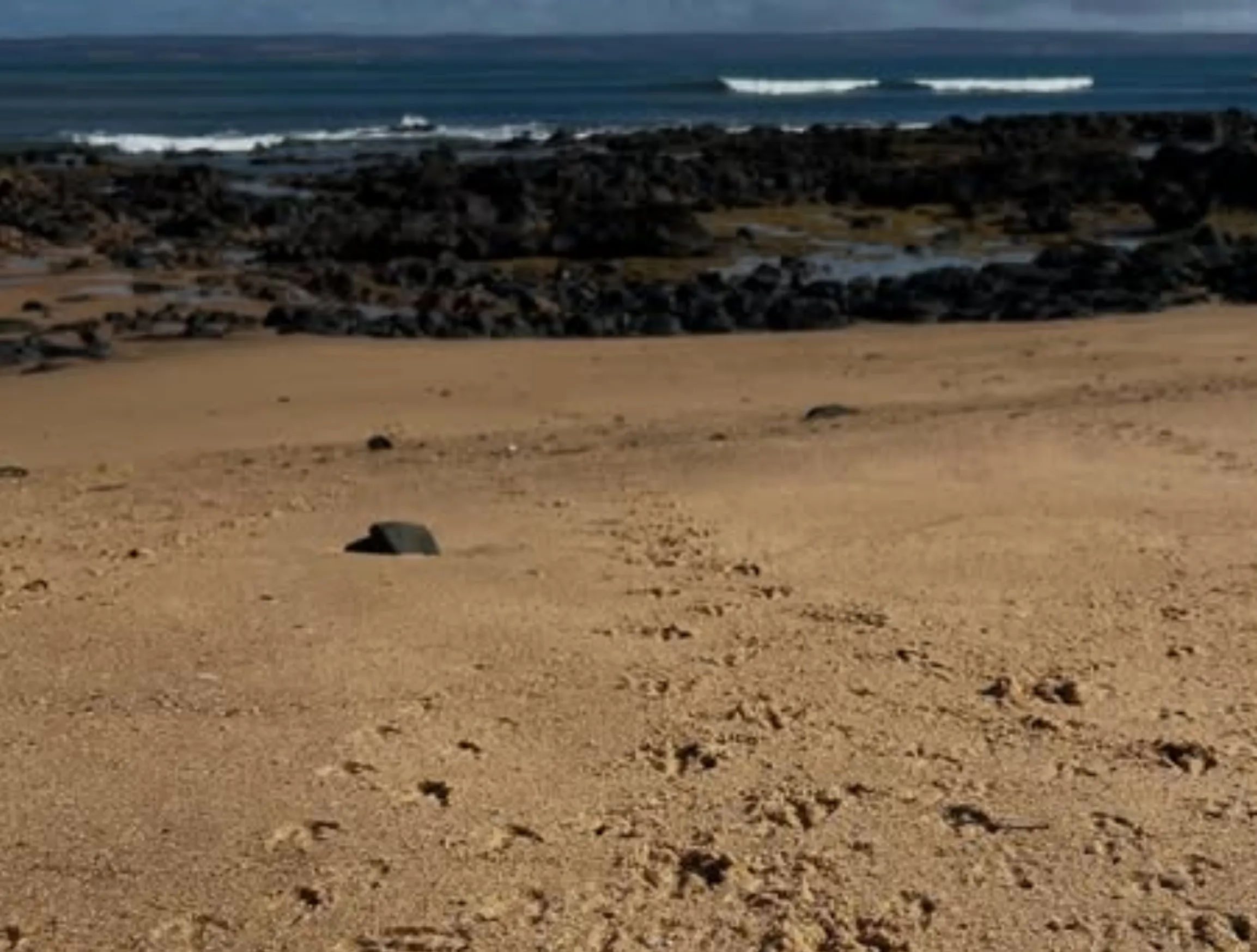
You’re standing on a clifftop near Seal Rocks, wind slapping your cheeks, the Southern Ocean stretching out like a never-ending cold wash. You’re on Phillip Island, staring at blue on blue — but which ocean are you actually looking at?
If you guessed Bass Strait, you’re halfway there. If you said Southern Ocean, you’re not wrong either. Truth is, it’s a bit like the surf forecast — layered and tide-dependent.
Whether you’re planning a beach day, hoping to catch the daily parade of penguins at Summerland Beach, or eyeing off coastal views from Cape Woolamai, knowing which ocean Phillip Island fronts can help you plan around tides, surf conditions and wildlife activity — not to mention dropping a fun fact at dinner over Beach HQ Restaurant & Bar on Beach Road.
Contents
What Ocean Is Phillip Island In?
Short answer? Phillip Island sits in Bass Strait, which is part of the Southern Ocean. So technically, both are correct. But if you’re being geo-specific:
Bass Strait separates mainland Australia from Tasmania.
It funnels Southern Ocean waters through a narrow, often turbulent channel.
So, when you’re gazing from the south-western tip near The Nobbies Centre or Woolamai Surf Beach, you’re facing one wild patch of Southern Ocean energy.
That turbulent character? It’s why this spot is known for wild surf beaches, shipwreck stories and being home to one of the largest colonies of fur seals.
Travel Smarts
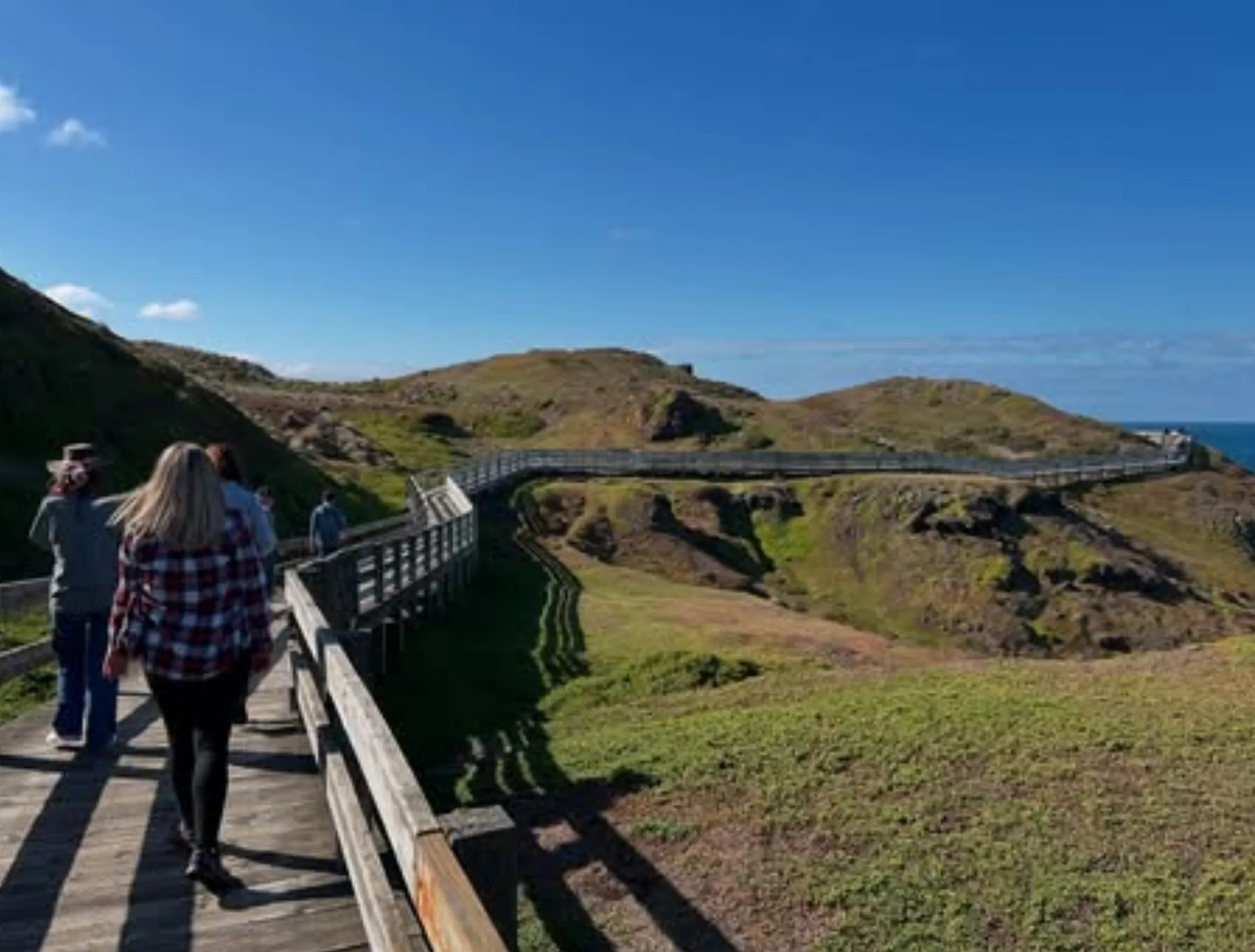
Here’s why understanding Phillip Island’s ocean matters beyond geography trivia:
- Surf: The Southern Ocean doesn’t do “gentle.” It brings serious swell — great if you’re heading to popular surfing beaches like Woolamai Surf Beach or Cat Bay Beach.
- Marine life: Cold, nutrient-rich waters mean abundant wildlife — from fur seal colonies to migrating whales and varied bird life.
- Weather: That Antarctic wind? It’s got some bite. Even during summerland heat, it can get chilly quick — especially in winter months.
- Wildlife viewing: That thriving Penguin Parade at the Penguin Parade? It’s thanks to this powerful marine ecosystem.
The Island Layout
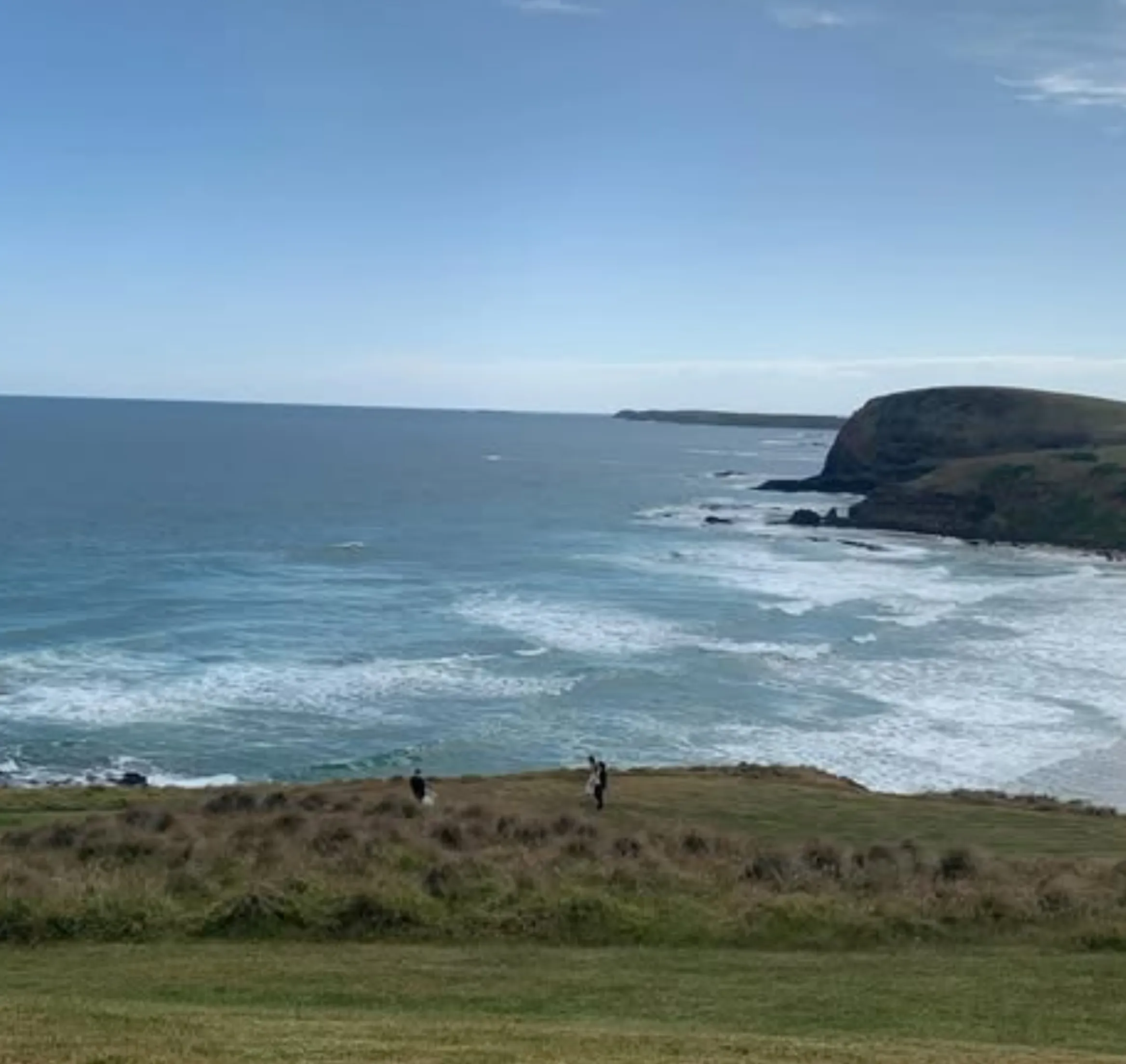
Understanding which way each beach faces helps with picking your perfect patch of sand.
Southern Coast (Cape Woolamai to Summerland Beach)
Open ocean meets dramatic cliffs. This side cops the full brunt of the Southern Ocean. Expect sweeping views, big swell and sheer beauty.
Northern Coast (Cowes Beach to Rhyll)
Sheltered by Western Port. Calm bay beaches, friendly wildlife and beach games with the kids.
Western Edge (Ventnor Beach, Flynns Beach)
Mixed bag here — some open water, some sheltered corners. Ventnor Beach and Flynns Beach are the beach access points and a more relaxed swim.
Eastern Gateway (San Remo & Newhaven)
Looking back to the mainland. You’ll cross from San Remo onto the island via the bridge — with views to Churchill Island Marine National Park.
Things to Do
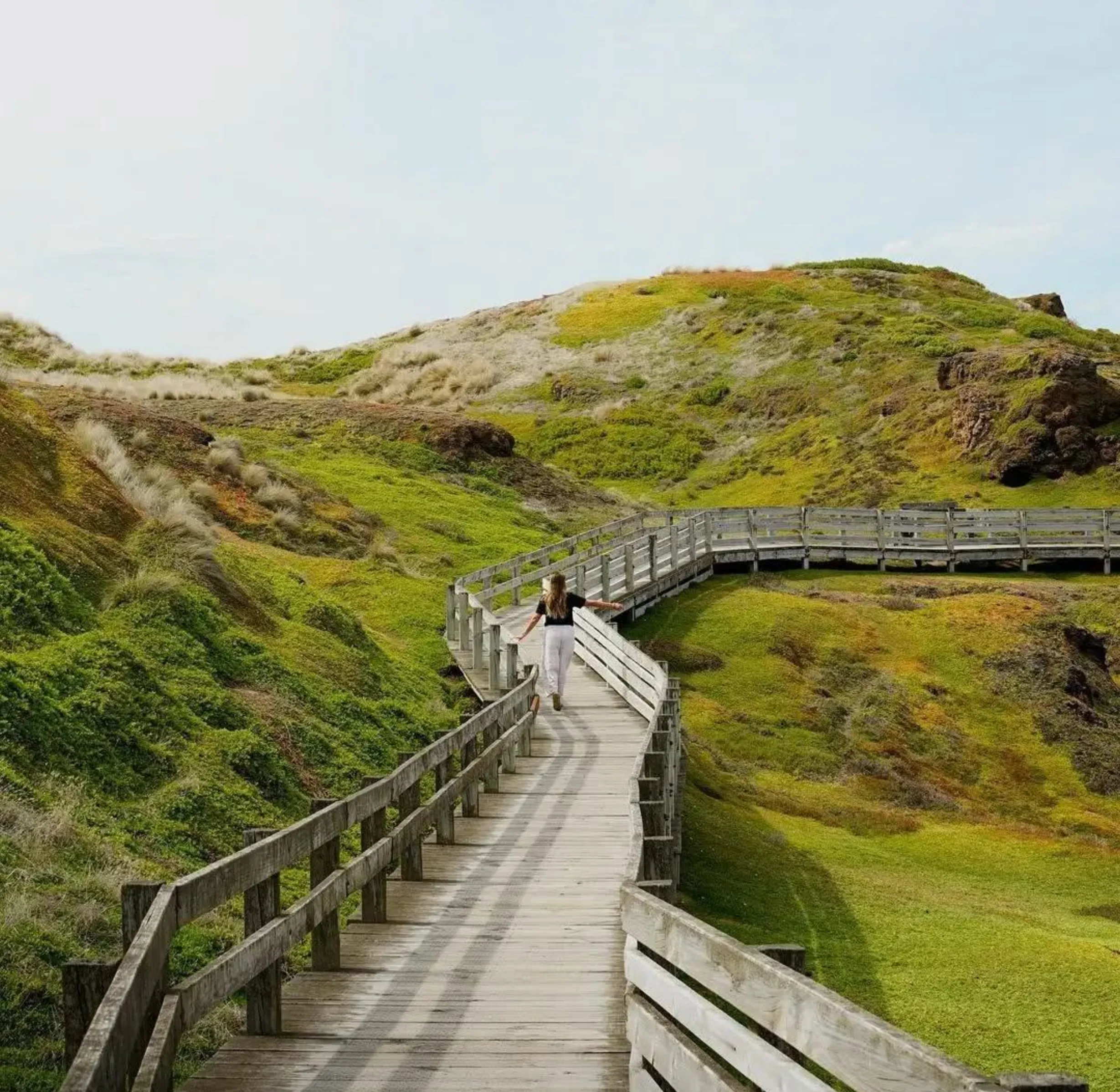
Surf the Southern Swell
Cape Woolamai and Woolamai Surf Beach are for experienced surfers chasing big waves.
Surf Beach and Cat Bay Beach are in between, depending on the tide.
Lessons for beginners? Smiths Beach.
Always read the signs. These aren’t gentle waters — and rips here have a reputation rougher than a servo sausage roll at 2am.
Catch the Penguin Parade
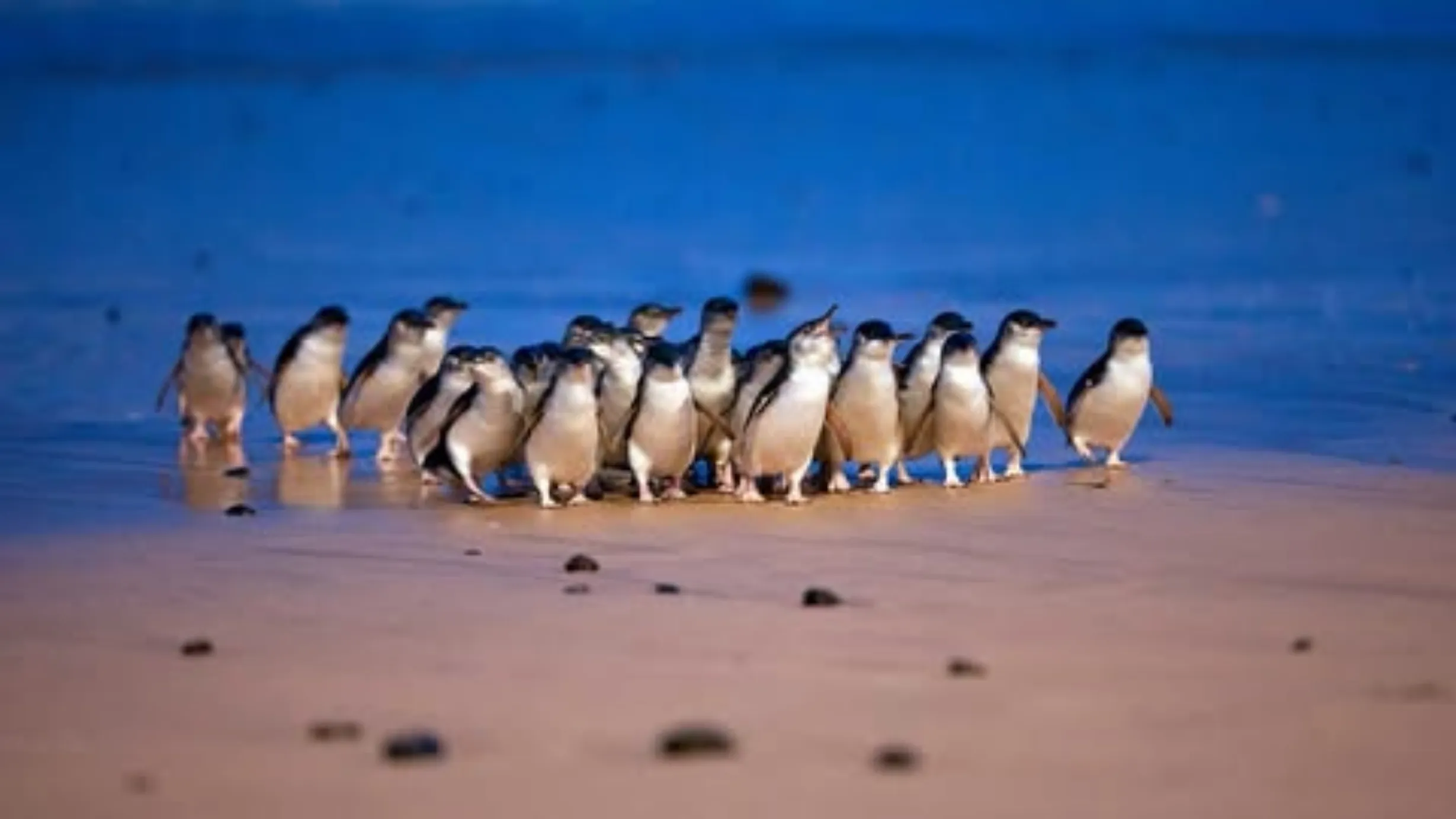
The Phillip Island Penguin Parade happens every evening at Summerland Beach, where one of the world’s largest Little Penguin colonies waddles ashore under a salty sky.
Many visitors book Phillip Island Penguin Tours to learn more about these tuxedoed locals — complete with eco-friendly boardwalk access and commentary.
Book early. Peak season seats sell out quicker than a sunny day in Melbourne.
Tip: Winter months can bring stunning skies, fewer crowds and a better view of the curious creatures who call this place home.
Spot the Fur Seals
Just off the south-western tip at Seal Rocks you’ll find Australia’s largest fur seal colony — over 20,000 strong. The easiest way to visit? Jump aboard a Wildlife Coast Cruises boat from Cowes or San Remo.
This natural wildlife experience is pure gold — seals lazing, playing, diving and arguing like schoolkids.
Walk With Koalas
Want a close-up look at Aussie tree-huggers? Head to the Koala Conservation Reserve (also known as the Koala Conservation Centre) for a chance to walk tree-top boardwalks and spot native wildlife in its natural habitat.
No fences, no fake enclosures — just Australian wildlife, doing their thing.
Get Among the Views
Cape Woolamai Walk: Pink granite cliffs, panoramic views and a good leg stretch. Look for fur seals and wedge-tailed eagles on the way.
George Bass Coastal Walk: Starts near San Remo, offers stunning sights of Bass Strait’s power and beauty.
The Nobbies Centre: Dramatic cliffs, magnificent headlands and on a clear day? Antarctica’s that way — give or take 4,000km.
Whether you’re hopping on one of the many Phillip Island tours or cruising solo along Beach Road, the coastline here packs in more than just pretty views.
Fishing, Tinnies & Marine Life
Bass Strait is serious business. So most marine attractions for everyday punters happen in calmer Western Port waters.* Cowes Beach and Rhyll are for fishing.
Fishing charters from San Remo go deeper for snapper, gummies and flathead.
Churchill Island Marine Park has mangrove estuaries full of marine life and bird life — perfect for wildlife spotting.
History and Culture Along the Coast
From Arthur Phillip to Oil Spills
Named after Arthur Phillip, the first Governor of New South Wales.
The island has had shipwrecks, sealers, farmers and even an old racetrack.
Learn about the coast’s fragility — from oil spills to changing ocean temperatures and their impact on fur seals and penguin colonies — at Phillip Island Nature Park.
First Nations Connection
The Bunurong People are the Traditional Custodians. They’ve walked this island since long before charts and colony flags. Respect is non-negotiable — this is still their Country.
Accommodation, Eateries & Attractions
Stay central at Phillip Island Apartments or bring the kids to Phillip Island Park Lane Holiday Park for a fun family dinner followed by a mini-golf challenge.
Prefer something rustic? Camp near Churchill Island or book a dormitory accommodation for a backpacker vibe.
Got kids? Check out Kid-Friendly Eateries like Beach HQ Restaurant — ocean views, no judgement if someone’s chucking a tantrum.
Beyond the beaches, attraction like the Phillip Island Grand Prix Circuit Visitor Centre and Churchill Island Heritage Farm offer something for petrolheads and history buffs alike.
If you’re short on time, a guided Phillip Island tour will hit the highlights — from the Koala Reserve to Seal Rocks, with a sunset penguin finale.
The Nobbies Centre remains a crowd-favourite attraction, not just for its rugged ocean lookout, but for its interactive marine displays and seal-spotting scopes.
Tip: Public transport is limited, especially outside of peak season. Bring your own wheels.
Final Word
So next time someone asks, “What ocean is Phillip Island on?” you can give ’em the full rundown — Bass Strait, tick. Southern Ocean, tick. Plus a yarn about fur seal colonies, dramatic cliffs or the time you saw a penguin faceplant mid-waddle.
Whether you’re surfing, seal-spotting or sipping wine with coastal eateries in sight, the ocean shapes every bit of this laid-back island paradise.
Operators like Autopia Tours run full-day and overnight Phillip Island tours, so you don’t have to worry about maps, parking or missing the Penguin Parade.
FAQ
What ocean is Phillip Island on?
Bass Strait, which is part of the Southern Ocean. So technically, both.
Is the water warm?
Nope. Thanks to Antarctic winter currents, ocean temperatures average 14–18°C. Bring a wetsuit unless you like goosebumps.
Can I swim safely?
Yes — but stick to bay beaches like Cowes Beach or Ventnor Beach. Always swim between the flags and respect the Southern Ocean’s mood swings.
What wildlife can I see from the ocean?
Fur seals, dolphins, penguins, varied bird life and whales during migration (May–Nov). For marine lovers, Phillip Island is a wildlife wonderland.
Where are the best coastal views?
Cape Woolamai for drama
The Nobbies for natural beauty
George Bass Walk for sweeping views